

This guide contains affiliate links — recommendations aren’t based on commission. Read our full disclosure.
How this page has changed
August 18, 2026
Sources, internal links and safety or product context reviewed.
In this guide
- 01The short answer
- 02The specs, from Manduka's own page
- 03Weight is the part you will feel
- 04Width matters more than it looks
- 05Both carry the same guarantee. Read what voids it.
- 06Grip: neither one is good on day one
- 07What about the PRO Lite Terra?
- 08Where each one wins
- 09Who should buy neither
- 10Which should you buy?
- 11If neither PRO nor PROlite fits
The Manduka PRO and the PROlite are the same mat in two sizes. Same dense closed-cell PVC, same factory, same lifetime guarantee. What separates them is 1.3mm of thickness, two inches of width, and nearly three pounds of weight.
That sounds like a small gap. In practice it decides where the mat lives.
A note on what this is. I have never practised on either mat. Our Manduka PRO review is a research-and-specs review, and we have never reviewed the PROlite at all. Everything below traces to Manduka's own published pages or is labelled as our editorial view of the PRO. Where I could not check something, I say so.
The short answer
Buy the PRO if the mat stays in one room. You get more cushion under the knees, two extra inches of width, and a mat heavy enough that it lies flat and stays put.
Buy the PROlite if you carry it. Same surface, same guarantee, nearly three pounds lighter.
If you are not sure a dense PVC mat is right at all, how to choose a yoga mat starts further back.
The specs, from Manduka's own page
| PRO | PROlite | |
|---|---|---|
| Thickness | 6mm | 4.7mm |
| Width | 26 in (66 cm) | 24 in (61 cm) |
| Standard length | 71 in (180 cm) | 71 in (180 cm) |
| Standard weight | 7.5 lb | 4.6 lb |
| Short size | 68 × 26 in, 7.2 lb | 68 × 24 in, 4.3 lb |
| Longest size | 79 × 26 in, 9.5 lb (Extra Long) | 79 × 24 in, 5 lb (Long) |
| Manduka's "best for" | "A premium, studio experience at home" | "Studio sessions and flows in small spaces" |
| Lifetime guarantee | Yes | Yes |
All of those come from Manduka's PRO series comparison page.
One correction worth making. A long-running review that still ranks on page one for this exact search lists the PROlite at 4.5mm. Manduka's own page says 4.7mm. It is a small thing, but if you are weighing a 1.3mm decision, get the 1.3mm right.
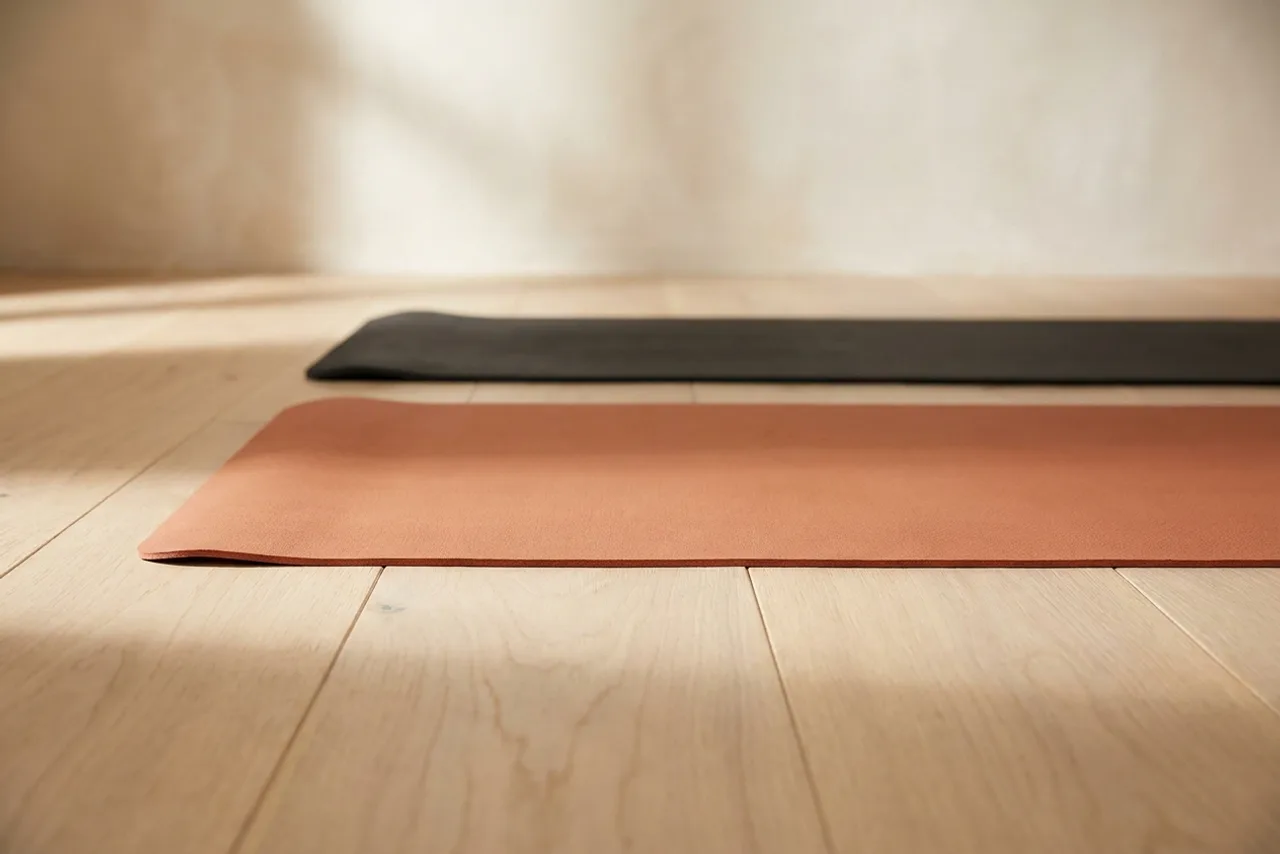
Weight is the part you will feel
This is the only difference most people notice within a week.
Nearly three pounds does not sound like much until it is on your shoulder every day. Manduka's own framing agrees: the PRO is pitched at practice at home, the PROlite at studio sessions and small spaces. Those two phrases are the whole comparison in Manduka's words.
The weight cuts both ways, though. A heavy mat lies flat, bunches less, and does not creep when you step back into a lunge. Our PRO review scores its stability 5, the highest mark we give it. The PROlite is lighter, and lighter mats generally give some of that back — but we have not tested one, so I am not going to put a number on it.
Two questions settle it faster than any spec:
- Where will this mat be on a normal Tuesday? Rolled in a corner of your living room, or in the boot of your car and over your shoulder?
- Do you kneel a lot? Low lunge, tabletop and hero pose are where 1.3mm actually registers. If your knees complain on a thin mat, the extra cushion is the point of the PRO. Our guide to how thick a yoga mat should be works through that properly.
Width matters more than it looks
Two inches sounds trivial. It is roughly the difference between your fingertips landing on mat or on floor in a wide-legged forward fold.
The PRO is 26 inches wide across every size. The PROlite is 24 inches, which is the standard width almost every other mat uses. So the PRO is the unusual one here, not the PROlite.
If you are tall or broad, or you have ever put a hand down and found floor, the PRO's width is a real advantage. If you practise in a packed studio where mats sit edge to edge, the narrower one is the polite choice — and Manduka says as much when it calls the PROlite good for "flows in small spaces".
Both carry the same guarantee. Read what voids it.
This is where most comparisons get sloppy, so here is the actual wording.
Manduka's product guarantee page names the mats it covers: the PRO, PROlite, PRO Travel, PRO Squared, PRO Long & Wide and PROlite Long & Wide. The PROlite is fully in. So are the long and wide sizes, which several roundups claim are excluded.
What it covers is narrower than people assume: "wear to the top surface of the yoga mat from regular use that impacts its performance". Cosmetic wear that does not affect how the mat performs is not covered.
What voids it is the part worth memorising:
- Damage from excessive water, including submerging the mat
- Damage from a washing machine or a vacuum cleaner
- Cleaning with anything other than Manduka Mat Wash or water
- Mats used by studios for in-studio equipment
Manduka puts the expected life at "approximately 10 years of regular use when loved and cared for". That is the company's own estimate, not independent testing.
So if you have been dunking your mat in the bath to clean it, stop. Our guide on how to clean a yoga mat covers what to do instead.
Grip: neither one is good on day one
Both mats share the same surface, so neither has an advantage here. Both start slick.
Manduka says it plainly on its own blog: the PRO's "grip improves over time as you practice". Compare that with what it says about its rubber eKO line, which "delivers a naturally grippy, grounded feel right out of the box". The company is telling you the PRO series needs breaking in.
Our PRO review scores dry grip 4.5 and wet grip 3. That wet-grip mark is the honest weak point of this whole family. If your hands sweat, neither the PRO nor the PROlite is the right mat, and no amount of break-in changes that.
Both are closed-cell, which Manduka describes as non-porous so "sweat, dirt, and bacteria stay on the surface". That is good for hygiene and bad for wet grip. It is the same trade in both mats.
What about the PRO Lite Terra?
Manduka lists a third option on the same page: the PRO Lite Terra, also 4.7mm, made with 20% recycled content. It is the PROlite for people who want the recycled-content story.
That figure is Manduka's own claim and I found no independent check of it. Treat it as a manufacturer statement.
Where each one wins
PRO wins on
- Cushion — 6mm against 4.7mm, which your knees notice before your head does
- Width — 26 inches against the standard 24, real room in wide stances
- Stability, where our PRO review scores 5 and heavy mats generally hold flatter
- The at-home studio feel Manduka itself markets it for
PROlite wins on
- Weight — 4.6 lb against 7.5 lb in the standard size
- Carrying it to class without resenting it
- Fitting a packed studio floor at standard 24-inch width
- The same lifetime guarantee, for less mat
Read those as two jobs, not a winner and a loser. Manduka built one mat in two formats on purpose.
Who should buy neither
Three disqualifiers apply to both, and they matter more than the choice between them:
- You sweat heavily. Both are closed-cell PVC with the same slick start. Our PRO review scores wet grip 3 for a reason. Look at Manduka's GRP line or a rubber mat instead.
- You want grip on day one. Manduka says the PRO series grip builds with use. If you want a mat that works out of the box, that is the eKO line's pitch, not this one.
- You want natural materials. Both are PVC. Manduka argues it is a clean PVC made in Germany, but PVC it remains. Our Manduka versus Jade comparison is the rubber alternative.
One point cuts the other way, and it matters if it applies to you. Manduka states the PRO series is latex-free. Its own eKO rubber mats are listed as 99% latex-free, which is not the same claim. If you react to latex, the PVC you were trying to avoid is the reason these two are still on your list — and it is worth asking a doctor rather than trusting a percentage on a listing.
Which should you buy?
If the mat stays home and you kneel a lot, take the PRO. The cushion and the width are real, and at 7.5 lb it will not go anywhere.
If you carry it, take the PROlite. You give up 1.3mm and two inches, you keep the guarantee, and you save nearly three pounds every single trip.
One thing to check before you click either link. Both mats sell in several colourways and several lengths, and the links above go to one specific listing each: the standard 71-inch PRO, and the standard 71-inch PROlite in Deep Sea. We pinned those two because their listed dimensions and weights match Manduka's own spec page exactly. If you want a Short, a Long or another colour, change it on the product page — the specs in this post apply to the standard size.
If neither PRO nor PROlite fits
These are the Manduka mats we have checked links for. They solve the problems the PRO series does not.
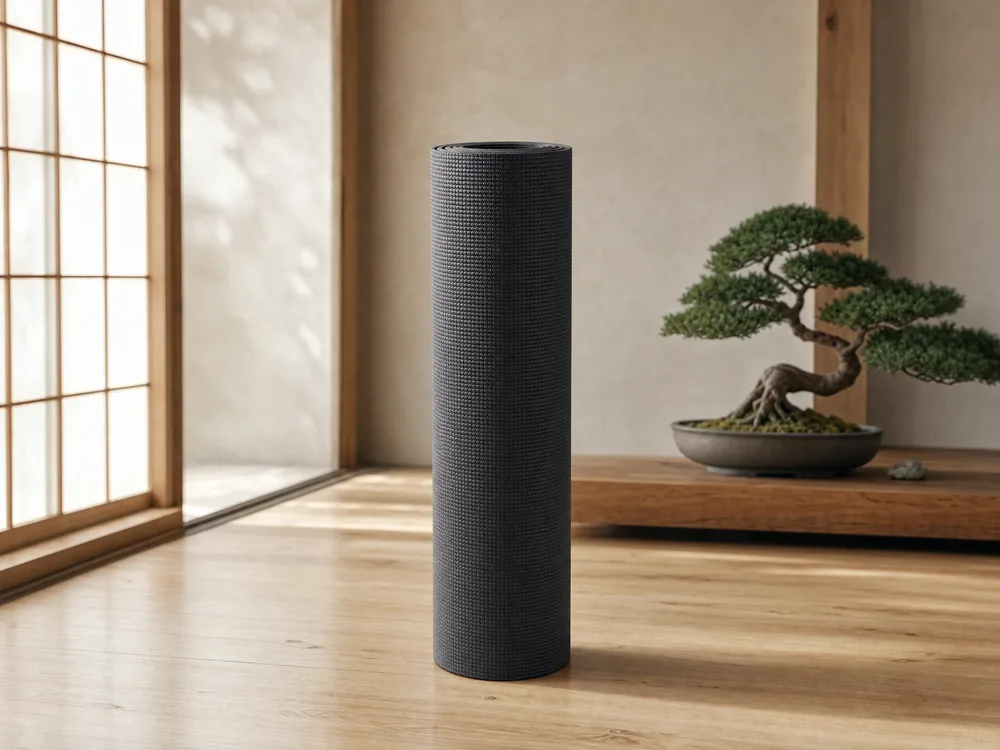
If your hands sweat
The line Manduka points sweaty practices toward instead of the PRO.
- Built around a grip surface rather than a dense PVC slab
- Our full GRP Adapt review covers how the generations differ
- Note the width disagreement between listings and Manduka's own page
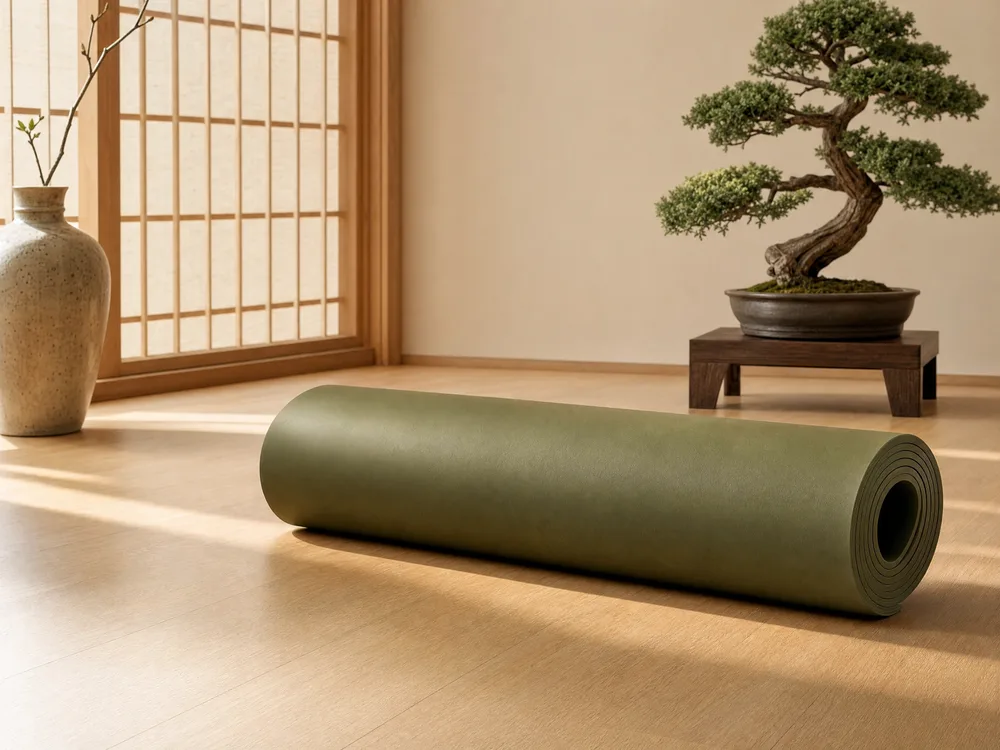
If you want rubber, not PVC
Natural tree rubber with grip that works from the first session.
- Manduka says it grips straight out of the box, unlike the PRO
- Manduka calls it 99% latex-free, which is not the same as latex-free
- Closed-cell like the PRO, so it still wipes clean
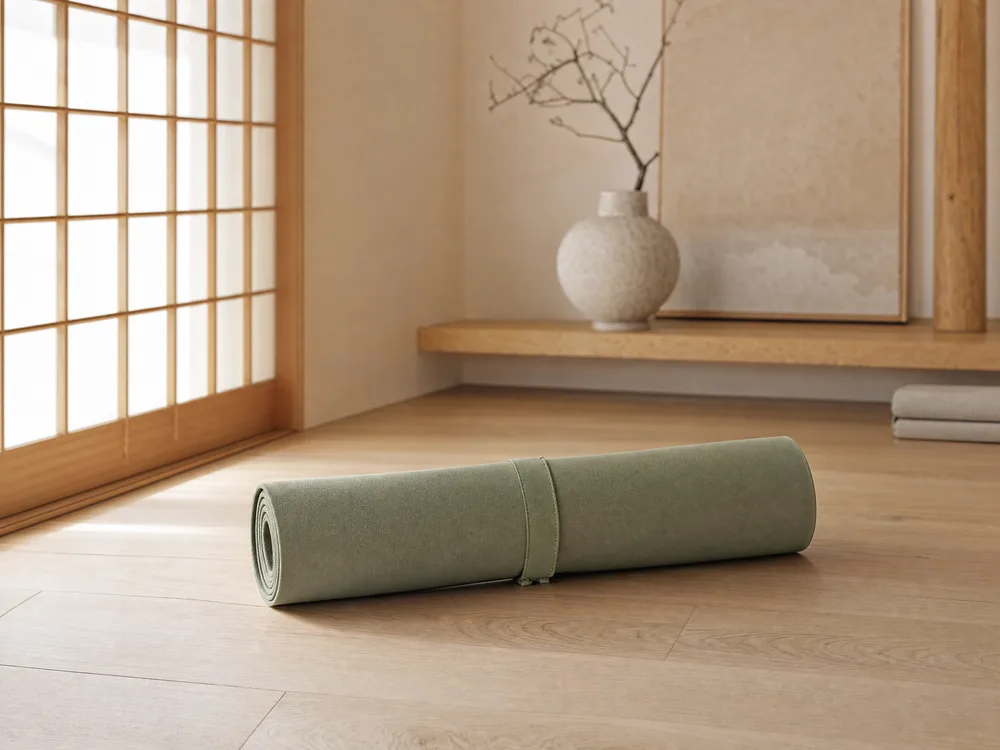
The thinnest of these, not the lightest
The slimmer rubber option — but check the weight before you assume it travels better than a PROlite.
- At 4mm it is thinner than both PRO series mats
- Listed at 5 lb, so it is heavier than the 4.6 lb PROlite despite being thinner
- Same natural-rubber grip story as the eKO 5mm
Affiliate links — we may earn a commission. Prices and stock change too often to print here.
If Manduka is on your shortlist but you are still cross-shopping brands, Manduka versus Lululemon and Manduka PRO versus Liforme are the two comparisons people read next.
Frequently asked questions
Is the Manduka PRO too heavy?
It depends entirely on whether you carry it. Manduka's own spec page lists the standard PRO at 7.5 lb and the standard PROlite at 4.6 lb, so the PRO is nearly three pounds heavier — about the weight of a full water bottle added to your shoulder. For a mat that lives in one room, that weight is a feature: it lies flat and does not bunch. For a daily walk or bike to class, most people find it too much.
Why is the Manduka PRO so expensive?
Manduka's argument is lifespan, not materials. Its guarantee page puts the expected life at approximately ten years of regular use, and the PRO series carries a lifetime guarantee. Manduka also states the PVC is manufactured in Germany to be toxin-free, phthalate-free and emissions-free. Whether that is worth it comes down to one question: will you actually keep one mat for a decade?
How long does a Manduka yoga mat typically last?
Manduka states approximately ten years of regular use when the mat is looked after. That figure comes from its own product-guarantee page and applies to the PRO series, which includes the PROlite. It is a manufacturer estimate, not independent testing, and heavy sweaty practice will shorten it.
Does the PROlite get the same lifetime guarantee as the PRO?
Yes. Manduka's guarantee page names the PRO, PROlite, PRO Travel, PRO Squared, PRO Long & Wide and PROlite Long & Wide. Two things people get wrong: the guarantee covers wear to the top surface that affects performance, not cosmetic marks, and it is voided by submerging the mat, machine washing it, or cleaning it with anything other than Manduka Mat Wash or water.
Which Manduka yoga mat is the best?
Manduka does not name one, and its own comparison page frames them by use. It lists the PRO as best for a premium studio experience at home, and the PRO Lite as best for studio sessions and flows in small spaces. If you want natural rubber instead of PVC and grip that works from day one, Manduka points you to the eKO line instead.