

In this guide
Ask someone which yoga mat lasts forever and the answer is almost always Manduka. The reputation is earned — but "Manduka" is not one mat, it is a lineup, and the famous one (the PRO) is also the one most likely to be the wrong pick for a beginner. This review is really about a single question: which Manduka, if any, is right for you.
This is a research-and-specs review, not a paid lab test. I draw on Manduka's published specs, hands-on testing from OutdoorGearLab and others, and the themes that repeat across years of owner reviews — attributed where it matters, with no invented scorecard or frozen price.
By Marvin Smit · Long-time practitioner, not a certified instructor.
The short verdict
Buy a Manduka PRO if you practise regularly in one place and want one mat for the next decade — its durability and lifetime guarantee are the real deal. But choose a different Manduka if the PRO's weight, price or break-in don't fit you: the eKO for natural grip and eco, the GRP for hot yoga, the PROlite or X if you want the build for less. Skip Manduka entirely if you commute daily with your mat or you want the cheapest thing that works — for that, a budget foam mat does the job.
Check price on AmazonEverything below is the reasoning, starting with the part most reviews skip: telling the mats apart. If you are still deciding on material and thickness in general, start with how to choose a yoga mat and come back.
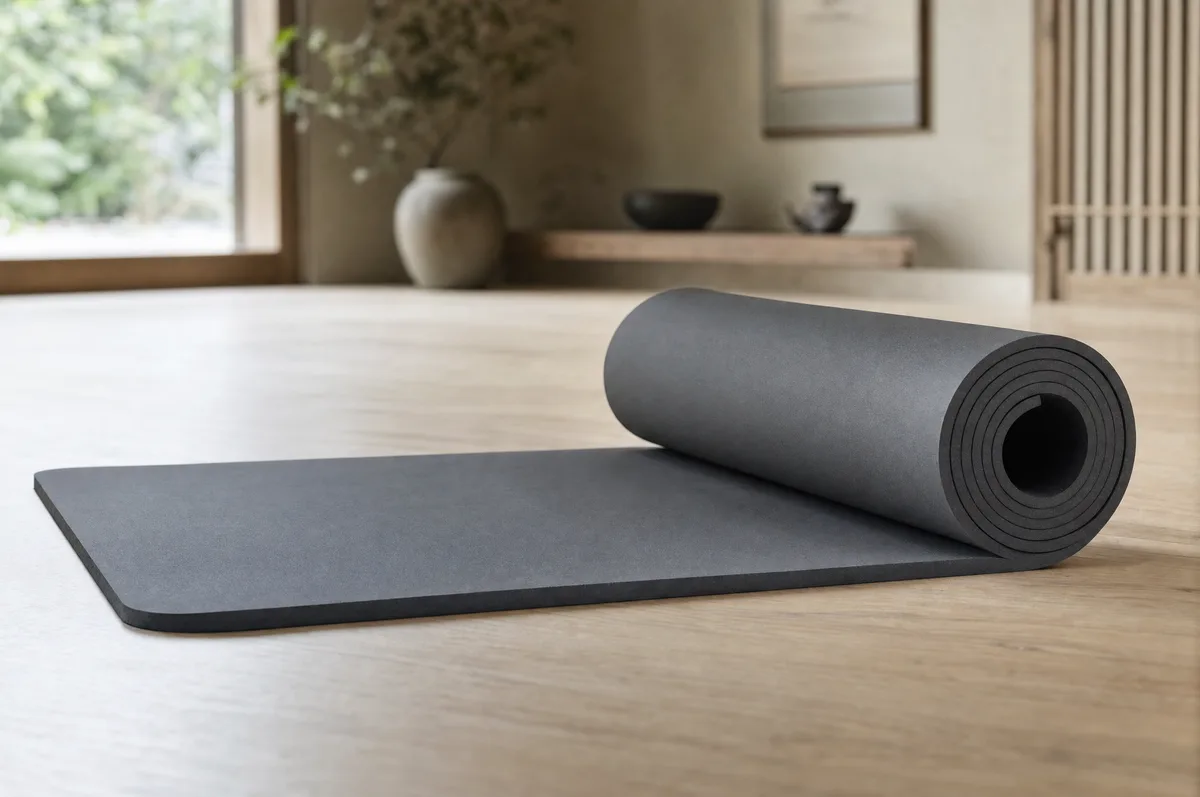
The Manduka lineup, decoded
The reason people buy the "wrong" Manduka is that they buy the famous one without knowing the others exist. Here is the honest map, drawn from Manduka's specs and the consensus on how each behaves.
| Mat | Thickness | Material | Weight | Best for |
|---|---|---|---|---|
| PRO | 6mm | PVC (closed-cell) | ~7.5 lb | Durability, home/studio, a lifetime mat |
| PROlite | 4.7mm | PVC (closed-cell) | ~4 lb | The PRO feel, lighter and a bit cheaper |
| eKO | 5mm | Natural rubber | ~7 lb | Natural grip + eco, grips from day one (latex) |
| GRP | ~5mm | PU top + rubber | ~6.2 lb | Hot yoga — grips more as it gets wet |
The quick logic: PRO for lifetime durability, PROlite if the PRO is too heavy or dear, eKO if you want natural grip and don't react to latex, GRP if you sweat. For where each one sits against other brands, they all appear in the best yoga mats of 2026 shortlist.
Thickness at a glance
Illustrative
The PRO: the one everyone means
The PRO is the icon, and its case is genuinely strong. It is dense, closed-cell PVC made in Germany, it is OEKO-TEX certified, and it is built to last roughly ten years — backed by a lifetime guarantee. OutdoorGearLab and long-term owners consistently report it softens rather than crumbles over many years. If you want buy-once-keep-for-a-decade, almost nothing in the category matches it.
The closed-cell surface is the other half of the story: sweat and bacteria sit on top rather than soaking in, so it wipes clean easily and stays hygienic — the method by material is in how to clean a yoga mat.
eKO: natural grip and eco, with a latex catch
The eKO is the PRO's opposite in feel: natural rubber that grips beautifully when dry, straight out of the box, with no break-in. It is biodegradable and the obvious pick if sustainability matters — more on the trade-offs in the eco-friendly yoga mat guide.
Two honest caveats. First, natural rubber contains latex — if you have a latex allergy, the eKO (and the rubber-based GRP) are a hard no; the PVC PRO is your latex-free Manduka. Second, the eKO wears faster than the PRO; it is durable, but not a lifetime mat.
Check price on AmazonGRP: the one for hot yoga
If you sweat, the GRP is the Manduka to look at. Where the closed-cell PRO can feel slick in the heat, the GRP has an absorbent top that grips more as it gets wet — exactly what a heated class needs. It is the natural cross-shop for anyone reading the best yoga mat for hot yoga guide.
Check price on AmazonThe honest downsides
Manduka's quality is real, but so are the costs — and they are shared across the premium range.
- It is heavy. The PRO is around 7.5 lb and the eKO similar. These stay put beautifully and travel terribly. If you carry your mat daily, this is the wrong brand — look at a lighter PROlite at best, or another brand.
- It is expensive. You are paying up front for a long-term mat. The maths works if you keep it for years; it does not if you are unsure you will stick with yoga.
- The PRO needs breaking in. Worth repeating because it is the top complaint: slick when new, fine after a while.
- It is not a beginner's first mat. Manduka itself points beginners to the cheaper Manduka X or the grippy eKO. The PRO rewards an established practice; as a starter it can frustrate.
Who should buy it — and which one
Buy the PRO if you practise mostly in one place, want a single mat for the next decade, and value durability and easy cleaning over portability. For a committed home or studio practice, its lifetime build is hard to beat.
Buy a different Manduka if:
- You sweat or do hot yoga → GRP.
- You want natural grip from day one, or eco matters, and latex is not an issue → eKO.
- The PRO is too heavy or pricey → PROlite (same build, lighter) or Manduka X (beginner budget).
Skip Manduka if you commute with your mat daily (too heavy), you have a latex allergy and only want a rubber mat, or you simply want the cheapest mat that works — in which case a budget foam mat like the Retrospec Solana is the honest answer.
How it compares
The mat people most often cross-shop against the PRO is the Lululemon Reversible Mat: Lululemon wins on grip out of the box and on its absorbent sweat top, while the Manduka PRO wins on raw longevity and the lifetime guarantee — and sidesteps Lululemon's latex, because the PRO is PVC. The full head-to-head is in Manduka vs Lululemon. Against budget mats, it is no contest on durability, but a beginner unsure of their commitment is often better served starting cheaper. If you are weighing materials and brands from scratch, start with how to choose a yoga mat; if you want the cross-brand shortlist, it is in the best yoga mats of 2026.
FAQ
Is the Manduka PRO yoga mat worth it?
If you practise regularly in one place and want a mat that lasts a decade, most reviewers and its lifetime guarantee say yes — spread over ten years it often costs less than replacing cheap mats. It is not worth it if you commute with your mat (it is heavy), you are a beginner (Manduka itself steers beginners to the eKO or X), or you want grip out of the box without a break-in.
Why is the Manduka PRO so expensive?
You are paying for dense, closed-cell PVC made in Germany, the high-density construction, and a lifetime guarantee that backs roughly ten years of use. The value argument is long-term: one PRO instead of several replacement mats. Whether that suits you depends on how long you will realistically keep one mat.
Why is my new Manduka PRO slippery, and how do I break it in?
The PRO's closed-cell surface is genuinely slick when new — it is the nature of the surface, not a residue, so the old salt-scrub trick does little. It takes weeks to months of regular practice for the grip to come in. In the meantime, use a towel or Manduka's grip gel, especially if you sweat. This break-in is the single most common Manduka complaint, and it is real.
How long does a Manduka mat last?
The PRO is built for roughly ten years of regular use and carries a lifetime guarantee; many owners report eight-plus years where it softens but does not crumble. The eKO and GRP, being natural-rubber based, wear faster than the PRO — still durable, but not lifetime mats.
Which Manduka mat is best for beginners?
Not the PRO — Manduka itself points beginners to the cheaper Manduka X or the eKO, which grips naturally from day one without the PRO's break-in. The PRO rewards an established practice; as a first mat its slick start and high price can frustrate more than help.
Which Manduka is best for hot yoga?
The GRP series. Unlike the closed-cell PRO, the GRP has an absorbent top that actually grips better as it gets wet, which is what you want when you sweat. The PRO can feel slippery in heat unless you add a towel.