

This guide contains affiliate links — recommendations aren’t based on commission. Read our full disclosure.
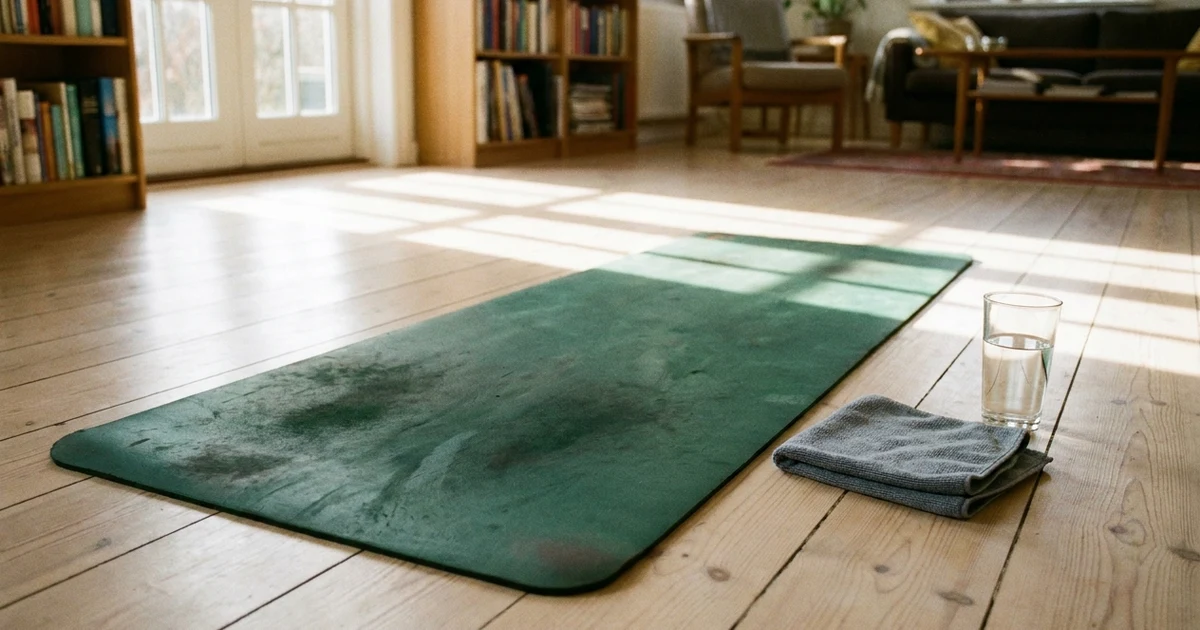
I bought a Lululemon Reversible Mat 5mm in dark green in late 2024 and have practised on it almost every day since. That is roughly eighteen months of mixed hatha and vinyasa, mostly at home, on a wooden floor.
This is not a review — we already have a full review of this mat. This is the thing reviews cannot give you, because they are written too early: what a mat looks and feels like after a year and a half of real use.
What I expected to wear out first
The grip. Every mat I had read about seemed to lose its stickiness, and the polyurethane top on this one is the part that does the gripping.
I was wrong about that, and it is the most useful thing I can tell you.
What actually happened
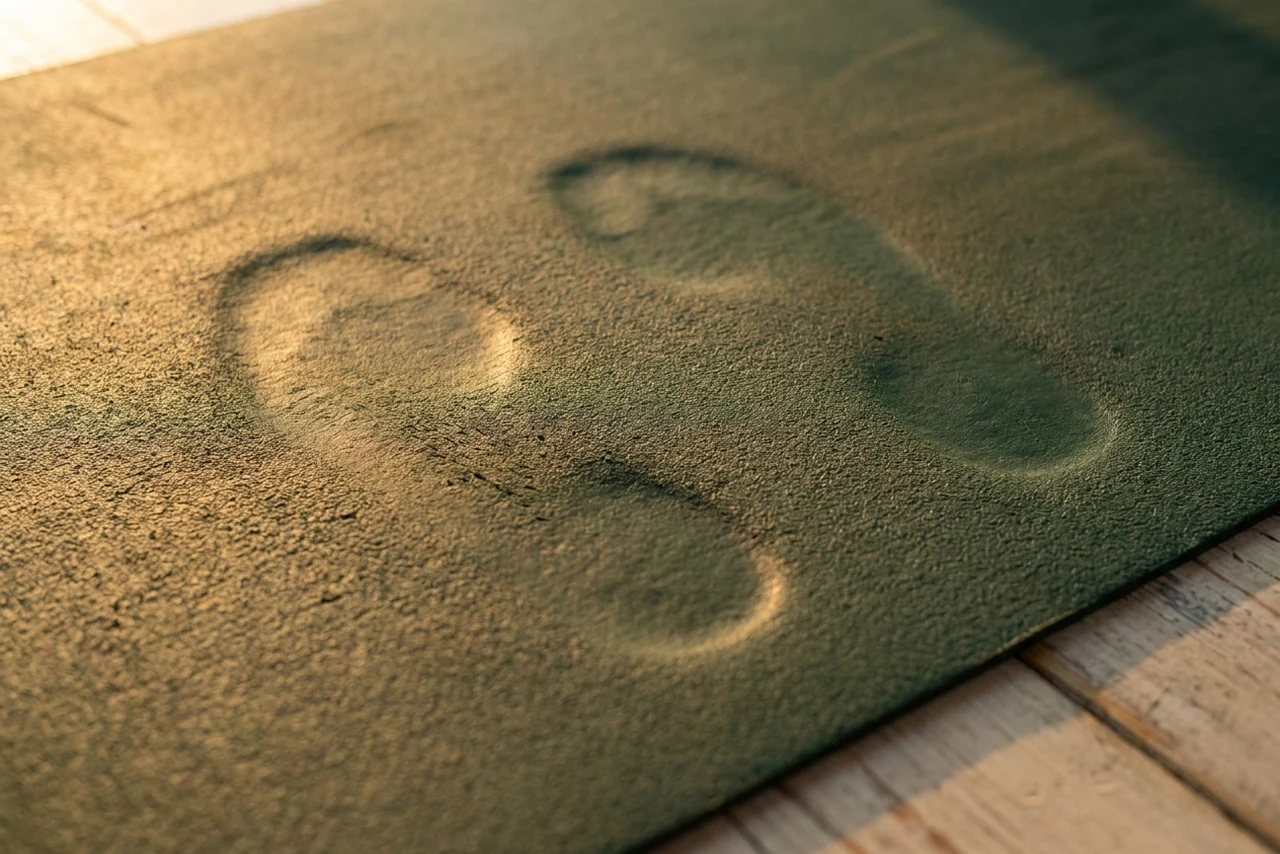
The grip held. Downward dog on damp palms works the same as it did in month two. I have not needed to replace anything, and I have not once had the slide that made me buy a decent mat in the first place.
The looks did not hold. The smooth top shows every sweat mark, and a year and a half of them do not fully wash out. Dark green hides more than a pale mat would — pale-mat owners have a harder time of it — but the hand and foot zones are visibly darker than the rest.
The rubber underside is untouched. It has never slid on the wooden floor, and it looks the same as the day it arrived.
The cushion softened slightly. Not enough to change how it feels in a lunge, but the mat no longer springs back quite as crisply as it did new.
The cheap thing I should have bought first
Almost all of the cosmetic damage is sweat reaching the surface. A grip towel over the top absorbs that before the mat does, and it goes in the wash afterwards — which the mat cannot.
I bought one late. If I were starting again I would buy it in the same week as the mat.
One honest caveat: a towel needs some moisture before it grips well. Manduka tells you to mist the nubbed side before practice, and a bone-dry towel on a bone-dry mat can feel worse than no towel at all. If your hands stay dry, skip it.
Three towels worth considering
They are not interchangeable. The nubbed ones stay put and cost more; the smooth ones are lighter and move around more. Which you want depends on how much you sweat, not on which is "best".
Best overall
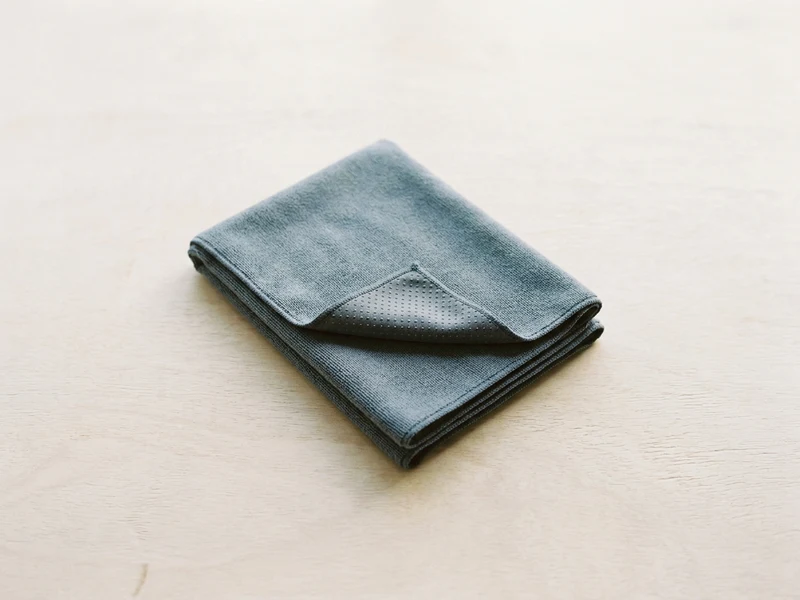
The default recommendation: silicone nubs on the underside stop the towel wandering mid-flow.
- Nubbed underside grips the mat instead of sliding
- Mat-sized, so it covers the whole practice surface
- Machine washable after every sweaty session
Manduka advises misting the nubbed side before practice — it needs some moisture to work properly.
Cheaper nubbed option
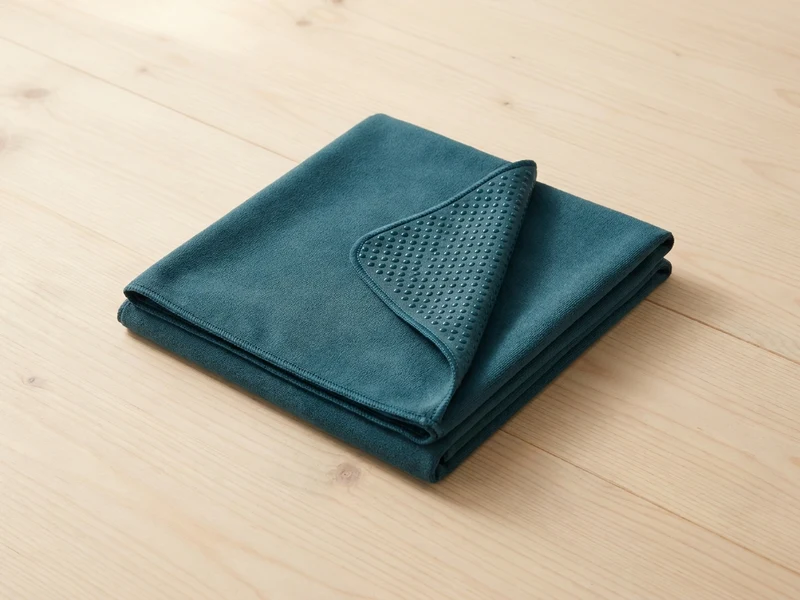
The same grip-dot idea at a lower tier, for anyone who wants the anti-slide behaviour without the premium name.
- Silicone dots do the same job as the nubs above
- Sensible if you are still working out whether you want a towel at all
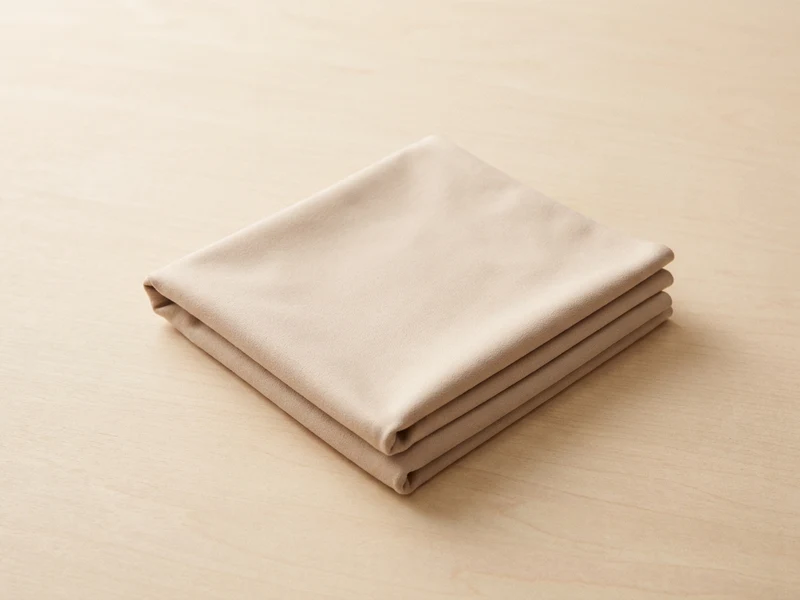
Lightest option
Smooth microfibre with no nubs: lighter and softer, but it moves more until it is properly damp.
- Packs smaller and dries faster than a nubbed towel
- Better as a sweat wipe than as a full anti-slip layer
Manduka tells you to dampen both sides of this one — dry, it slides.
Affiliate links — we may earn a commission. Prices and stock change too often to print here.
Was it worth it?
What works
- Grip is unchanged after eighteen months of near-daily use
- The rubber base has never slid on a wooden floor
- Cost per session is now genuinely low at this frequency
- Reversible: two usable surfaces, and I use both
What does not
- Sweat marks are permanent and visible in the contact zones
- Heavy enough that I would not carry it to a studio regularly
- Needs wiping after every practice, no exceptions
- A cheaper mat would have answered the same question early on
Yes — but the reason is frequency, not the mat. Practising most days spreads the cost thin enough that the maths stops mattering. If I had practised twice a month, a mat at a third of the price would have served me just as well, and our beginner mat guide covers those.
What I would tell someone buying today
Buy the mat that suits how you actually practise, then spend a little more on the accessory that protects it. In my case that order was backwards, and the visible cost of that mistake is on the mat in front of me.
If you want the specifics on this particular mat — grip scores, sizes, what it competes with — the full review has them, and the care routine explains why vinegar and disinfectant wipes should stay away from it.
Frequently asked questions
How long should a yoga mat last with daily use?
It depends far more on how you practise than on the calendar. Mine is at eighteen months of near-daily use and still performs, and independent testers put this style of mat at a realistic four to six years. Heavy sweat shortens that; gentle dry practice extends it. Our guide on when to replace a mat has four practical tests that beat any age rule.
Do sweat marks mean the mat is worn out?
No. Marks are cosmetic — they tell you where your hands and feet land, not that the surface has failed. The test that matters is whether grip comes back after a proper clean and a full dry. If it does, the mat is fine and you simply have a mat that looks used.
Does a yoga towel actually help?
It helps with a specific problem: sweat reaching the mat. It catches moisture before it soaks in, which keeps the surface cleaner and cuts down deep cleans. It does not fix a mat that is slippery when dry, and if your hands stay dry you probably do not need one.
Should I buy an expensive mat as a beginner?
Not necessarily. What made this mat worth it was frequency — near-daily use for eighteen months spreads the cost thin. If you are still finding out whether the habit sticks, a cheaper mat answers that question just as well, and our beginner mat guide covers the sensible options.