This guide contains affiliate links — recommendations aren’t based on commission. Read our full disclosure.
How this page has changed
August 30, 2026
Sources, internal links and safety or product context reviewed.
In this guide
- 01The short answer
- 02The number on the box is not the number that matters
- 03The option that skips the ceiling entirely
- 04Swing, hammock, silks, trapeze: which one are you shopping for?
- 05Then choose the fabric
- 06Before you buy anything: two questions for a doctor
- 07Who should skip this entirely
- 08What we would actually do
Buying an aerial yoga hammock is two decisions, and every listing on the first page of results only helps with the easy one.
The fabric is the easy one. The hard one is what holds it up — and the kits do not include that part, do not tell you what it costs, and in two cases claim their fabric can take over a tonne while the anchor you will actually hang it from is rated for a fraction of that.
Start with the second decision. It is the one that can hurt you.
The short answer
If you rent, or nobody qualified has looked at your ceiling, buy a freestanding rig and hang the fabric from that. No drilling, no structural assessment, and you can take it outside.
If you have a suitable anchor already installed by someone qualified, a 5.5-yard tricot hammock with hardware in the box suits a ceiling of roughly 8 to 11 feet. Below that, buy the 4.5-yard version instead.
The number on the box is not the number that matters
Every listing leads with a weight capacity. Here are four, as published:
| Kit | Claimed capacity |
|---|---|
| Aum Active | 500 lb fabric, "over 2000 lb" for the rigging accessories |
| VEVOR | 2,204.62 lb / 1,000 kg |
| Yes4All | 660 lb |
| Freestanding stand | 440.9 lb |
Four products, a fourfold spread, and not one names a testing standard. Read them as marketing, not as specification. They are also answering the wrong question.
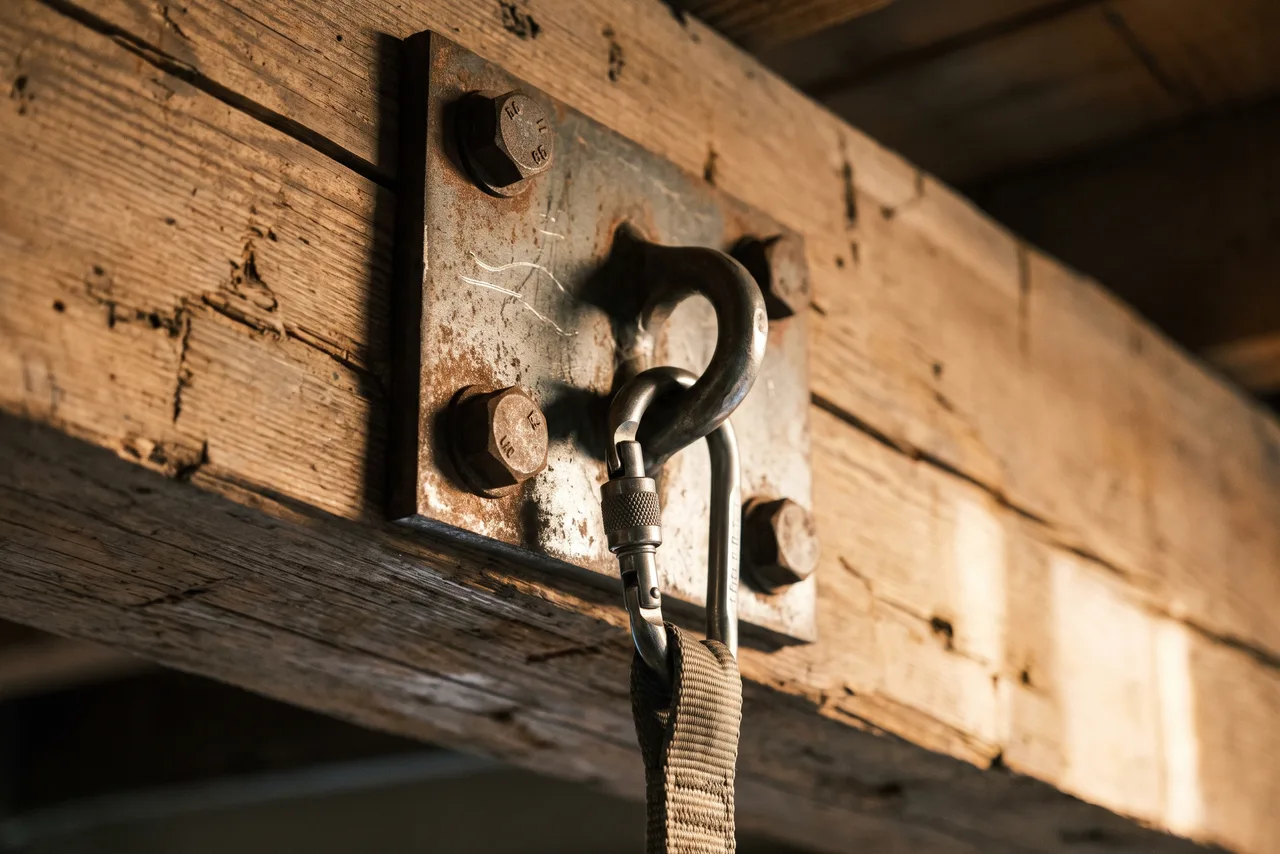
The question is what your ceiling can hold, and there the published numbers get much smaller and much more careful. Uplift Active — the shop ranking first for this search — sells aerial ceiling hooks with a working load limit of 330 lb at a 10:1 safety factor. The same page says the hook must be installed by an aerial-experienced licensed contractor or professional rigger, that not all beams are safe for aerial, and that improper installation can result in injury or death.
That is a company selling you the part, telling you plainly not to fit it yourself.
The reason the safety factor is that large is movement. A hammock is not a shelf. Swinging and spinning load the anchor well beyond what you weigh, which is why rigging guidance for suspended people works to ratios like 5:1 or 10:1 rather than to bodyweight.
The option that skips the ceiling entirely
For most people reading this at home, the honest recommendation is a freestanding frame. It removes the entire structural question, which is the only genuinely dangerous part of the decision.
The trade-offs are real and worth knowing before you order. A frame takes floor space a hammock does not. It has its own capacity, lower than any fabric claim. And its height is fixed, which matters more than it sounds: the rig below stands about 7 feet 10 inches tall, while the 5.5-yard hammock is written for 8-to-11-foot hanging heights. Pair them and you may be shortening the fabric to suit.
Swing, hammock, silks, trapeze: which one are you shopping for?
If you searched "yoga swing" and landed here, you are in the right place, and that is not a redirect — it is what the market calls this thing. VEVOR sells the same item under the title "Aerial Yoga Hammock & Swing"; the search results for both terms return the same kits from the same sellers. Swing and hammock are one product with two names.
The words that do mean something different:
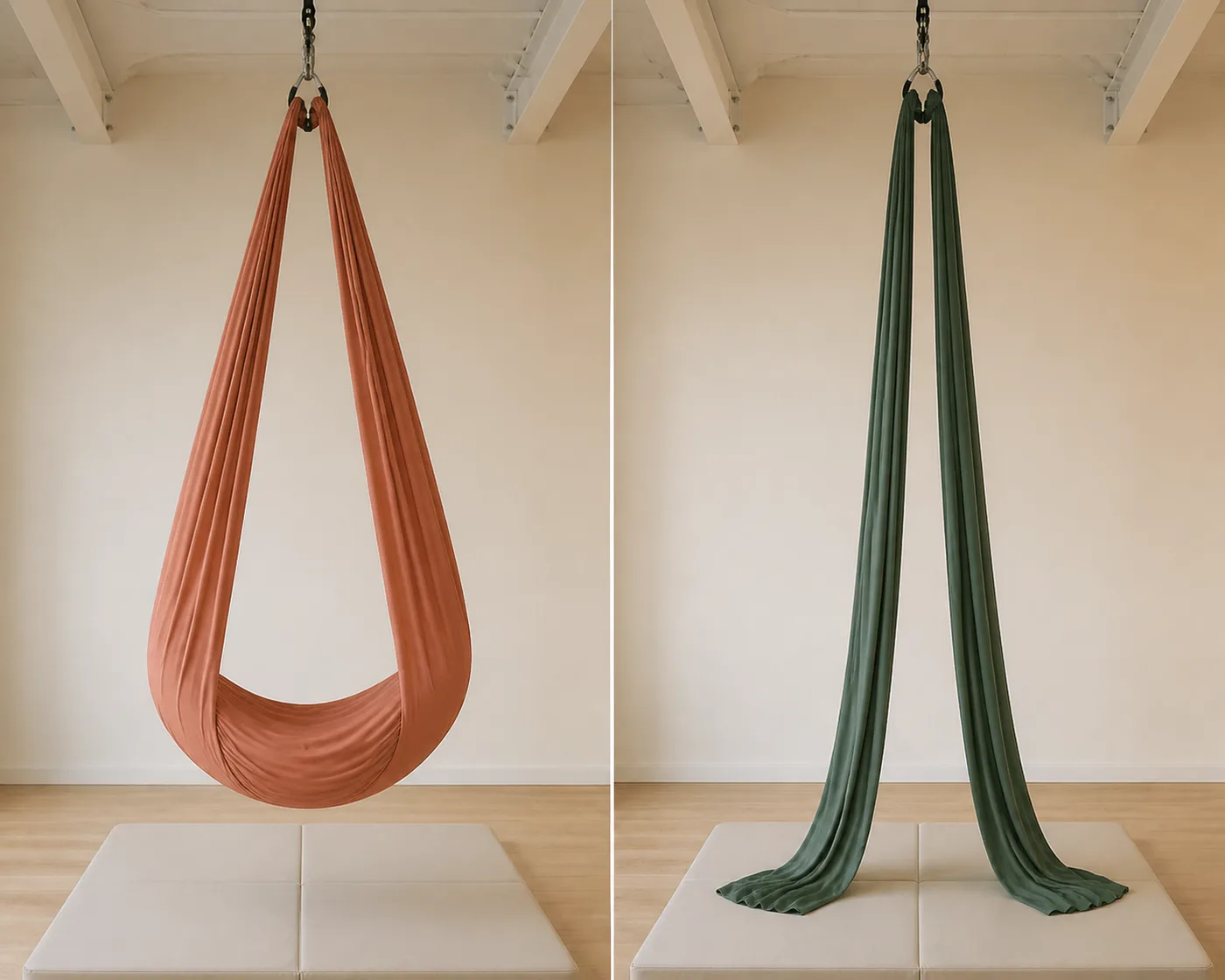
Aerial hammock, or yoga swing. One loop of fabric hung from one or two points, forming a deep U you sit in, lie back over, or hang from. Every kit on this page is one of these. This is what you want for supported inversions and restorative work at home.
Aerial silks. Two long tails rather than a loop, used for climbing, wraps and drops. A different discipline with different rigging demands — and worth taking seriously, because ceiling hardware sold for aerial yoga is often explicitly not rated for silks. Uplift Active's hooks say so outright: for aerial yoga and bungee fitness only, not for silks or drops.
Yoga trapeze. A swing with handles and ankle straps, built around hanging inverted for spinal traction rather than around the fabric itself. It is closer to an inversion tool than to aerial yoga, and it typically hangs from a beam or a chin-up bar.
| What changes | Aerial hammock | Aerial silks |
|---|---|---|
| Fabric shape | One continuous closed loop | Two separate open tails |
| First point of support | You can sit or lie in the loop before climbing | You normally create support through wraps, locks and climbs |
| Typical learning emphasis | Supported shapes, transitions and inversions | Climbing, foot locks, wraps and eventually drops |
| Usual strength demand for a first class | Lower, because the loop can carry you | Higher, especially through grip and pulling strength |
| Home-shopping implication | Hammock kits and hammock-rated hardware are widely sold | Do not assume hammock hardware is rated for silks or drops |
So: what is a yoga swing actually used for? Supported inversion, mostly. It takes the weight off your spine while you hang, and it lets you hold shapes your floor practice cannot support you in. It is not a cardio device and it will not teach you anything by itself — which is why the entries are worth learning with a teacher before you practise alone.
Then choose the fabric
Once the hanging point is settled, this part is genuinely easier than the listings make it sound. Three things decide it.
Length, matched to your ceiling. Aum Active publishes 8 to 11 feet as the recommended hanging height for its pre-knotted 5.5-yard hammock and sells a 4.5-yard version for lower rooms. That is the most specific guidance any of these brands gives. Two other kits claim their length "fits all ceiling heights", which cannot be true of both a low basement and a studio.
Stretch, and the listings disagree. Aum Active describes "just the right stretch", VEVOR advertises "excellent elasticity", and Yes4All calls its fabric "non stretch" — in a category where low-stretch tricot is the norm for hammocks. If you want a predictable, firm feel, read the fabric description rather than the brand.
What is in the box. Most kits include carabiners, extension straps and o-slings. None includes the ceiling anchor. Aum Active is the only one of the four that says so outright: "Mounting rig is NOT INCLUDED."
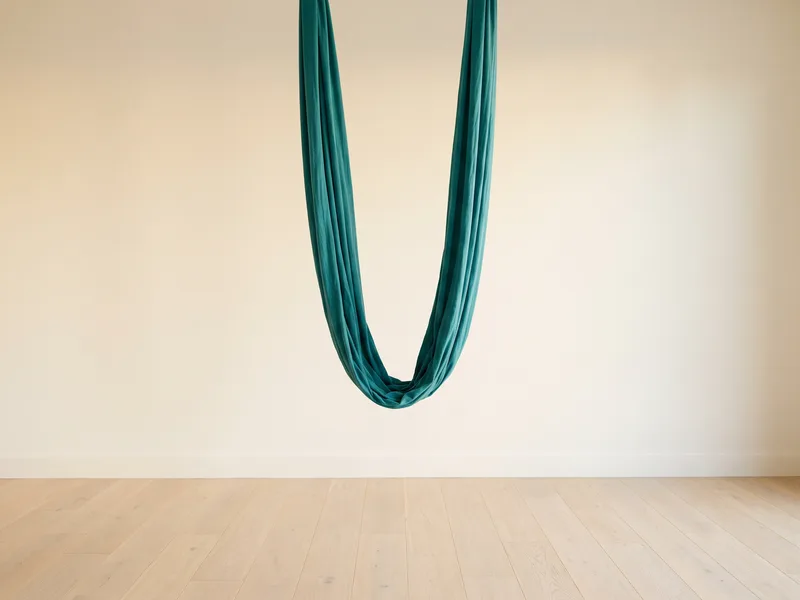
Best for a standard ceiling
The only kit here that publishes a specific hanging height rather than claiming to fit everything.
- Recommended for 8 to 11 ft hanging heights, per the brand
- Pre-knotted, with carabiners, extension straps and o-slings
- States plainly that the mounting rig is not included
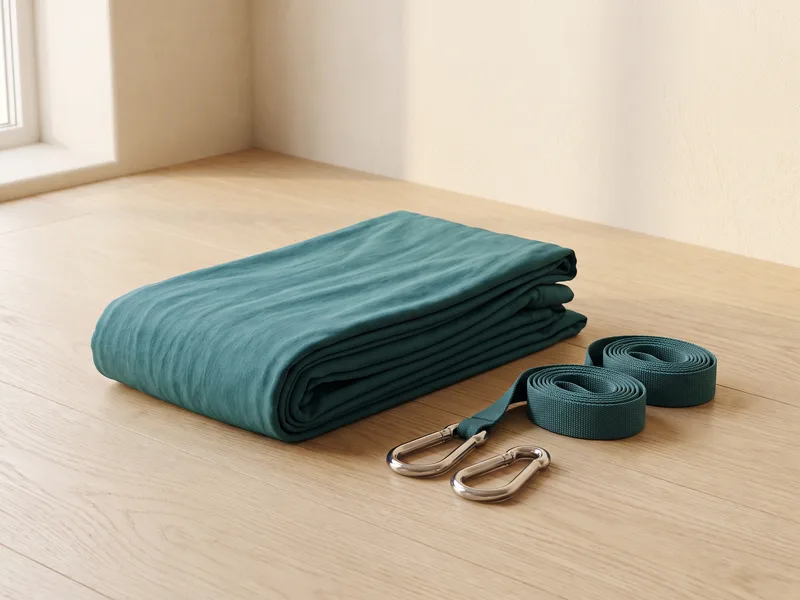
Best for a low ceiling
The same kit a yard shorter, which is the right answer for a room the 5.5-yard version overshoots.
- Tricot fabric, same hardware set as the longer version
- Listed at 13 x 9 ft of fabric
- Buy this rather than knotting a longer hammock shorter
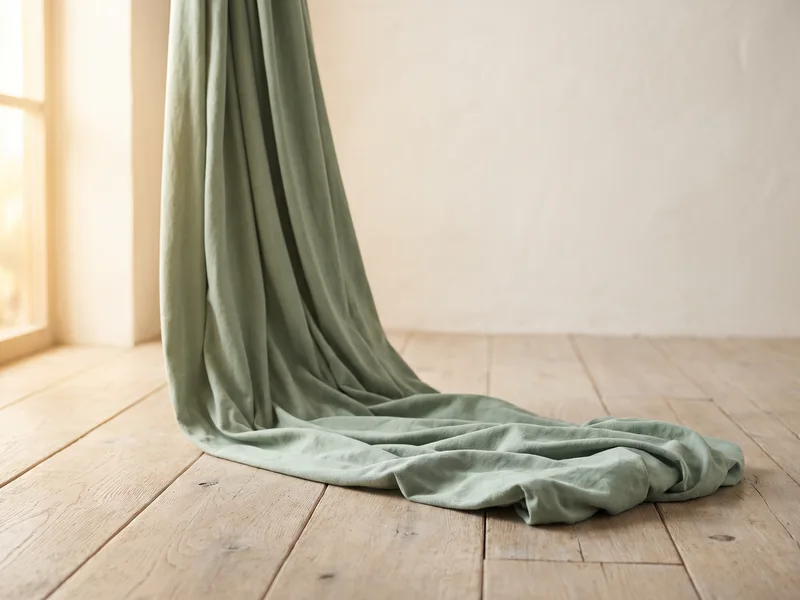
Cheapest complete kit
The budget option, and the one whose capacity claim is least worth reading.
- 100gsm nylon, machine washable
- Full hardware set included in the box
- Claims to suit any ceiling height, which no single length does
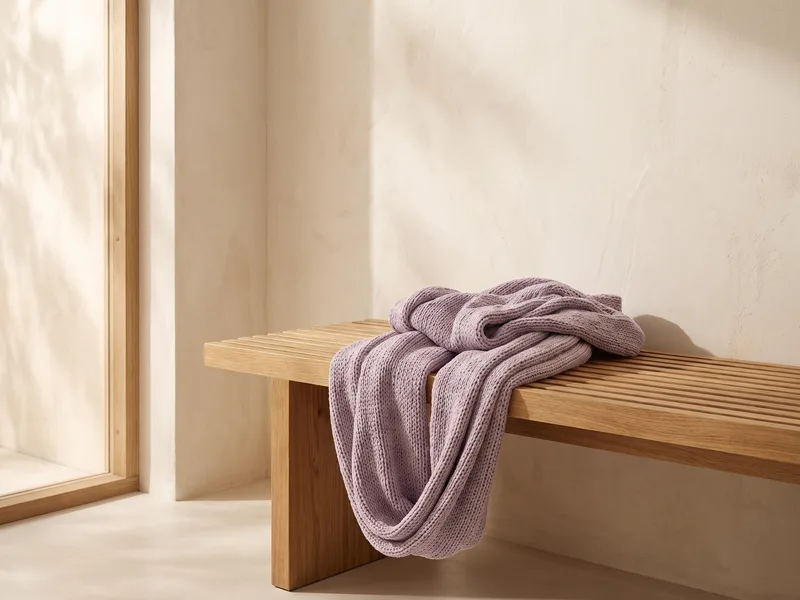
If you want a firmer feel
The one kit here describing its fabric as non-stretch, which is a real difference in how it holds you.
- Tricot fabric, 5m length, complete hardware set
- Comes with a carry bag
- Also claims to fit all ceiling heights — measure yours anyway
Affiliate links — we may earn a commission. Prices and stock change too often to print here.
Before you buy anything: two questions for a doctor
Aerial puts you upside down, and that is not neutral for everyone.
The clearest evidence concerns the eyes. A systematic review and meta-analysis of yoga and intraocular pressure found that head-down postures raise eye pressure within a minute of assuming them, with one case report recording a twofold increase during a headstand compared with sitting. Pressure returned to baseline within two minutes of coming upright, but the authors' recommendation is unambiguous: patients with glaucoma should be advised against practising head-down postures.
Beyond that, the conditions that come up repeatedly across aerial studios' own intake guidance are uncontrolled high blood pressure, heart conditions, vertigo, recent surgery, back or neck injury, and pregnancy. We are not a medical source and will not pretend to rule any of them in or out. If one applies to you, that is a conversation with a doctor before it is a purchase.
Who should skip this entirely
Worth buying if
- You have a qualified anchor already, or floor space for a freestanding rig
- You want the supported inversions and the hip and shoulder opening they allow
- You have measured your ceiling and matched the fabric length to it
- You are willing to learn the entries in a class before practising alone
Skip it if
- You would be drilling into a ceiling you cannot have assessed
- You rent, and a freestanding frame does not fit the room
- A doctor has flagged your eyes, blood pressure, heart, neck or back
- You want it mainly for back pain — a strap and a bolster cost far less
One more that applies to nearly everyone: learn the entries with a teacher first. This guide covers what to buy and will not tell you how to get into the fabric, because that is not something to read off a page while hanging in your living room.
What we would actually do
Buy the stand, buy the 5.5-yard hammock, and check the two heights against each other before ordering. That combination costs more than a bare kit and removes the only part of this purchase that could genuinely go wrong.
If you already have a professionally installed point, skip the stand and buy the fabric that matches your hanging height.
And if neither is true yet, the honest sequence is: take a class, decide you like it, then solve the anchor before you buy any fabric at all.
For the props that make a floor practice work while you decide, our yoga props guide starts further back, and the headstand bench is the other route to supported inversion without rigging anything.
Frequently asked questions
What is the difference between aerial yoga and an aerial hammock?
Aerial yoga is the practice; the hammock is the equipment. A hammock is a single loop of fabric hung from one or two points, which is what almost every home kit sells. Aerial silks are two long tails used for climbing and drops, which is a different discipline with different rigging demands — and the ceiling hooks sold for aerial yoga are frequently rated for the first and explicitly not the second.
Is an aerial hammock easier than aerial silks?
An aerial hammock is usually the more approachable first class because the closed loop supports you before you learn to climb. Silks start as two open tails and generally demand more grip, pulling strength and climbing technique. Easier does not mean self-taught: both need suitable rigging, crash mats and qualified instruction.
What is the recommended length of a hammock for aerial yoga?
Match it to your ceiling, not to a general rule. Aum Active states 8 to 11 feet as the recommended hanging height for its pre-knotted 5.5-yard hammock, and sells a 4.5-yard version for lower rooms. Treat listings that claim a single length 'fits all ceiling heights' with suspicion — two of the kits we looked at say exactly that, and they cannot both be right about a 7-foot basement and a 13-foot studio.
Which aerial yoga hammock is the best?
For most home practice, a 5.5-yard tricot hammock with the hardware in the box, hung at 8 to 11 feet. The fabric is the easy part of this purchase and the brands are more alike than their listings suggest. What actually separates a good setup from a dangerous one is the anchor above it, which none of these kits includes.
Who should not do aerial yoga?
Anyone whose doctor says so, and that conversation is worth having first if you have glaucoma or another eye condition, uncontrolled high blood pressure, a heart condition, vertigo, a recent surgery, or a back or neck injury, or if you are pregnant. On glaucoma the evidence is specific: a systematic review of yoga and intraocular pressure found head-down postures raise eye pressure within a minute, and its authors advise glaucoma patients against practising head-down poses at all. We are not a medical source — ask one.
What is a yoga swing used for, and is it the same as an aerial hammock?
Same product, two names — VEVOR sells the identical kit under the title 'Aerial Yoga Hammock & Swing', and both searches return the same items from the same sellers. What it is for is supported inversion: hanging takes the load off the spine, and the fabric holds you in shapes the floor cannot. Aerial silks (two tails, for climbing) and a yoga trapeze (handles and ankle straps, for traction) are genuinely different products.
Can I hang a yoga hammock from my ceiling myself?
Not unless you are qualified to judge the structure. Uplift Active, which sells aerial ceiling hooks, states that its hardware must be installed by an aerial-experienced licensed contractor or professional rigger and that improper installation can result in injury or death. Drywall will never hold a person, and a joist is not automatically sufficient, because movement in the fabric loads the anchor well beyond bodyweight. A freestanding rig avoids the question entirely.