

This guide contains affiliate links — recommendations aren’t based on commission. Read our full disclosure.
How this page has changed
August 30, 2026
Sources, internal links and safety or product context reviewed.
In this guide
Every aerial stand on the market advertises a weight capacity. Max 310 lb. Max 440.9 lb. Max 551.2 lb. They are printed like specifications, and they are almost useless, because not one of those listings tells you the height the figure was measured at.
It turns out that matters more than anything else about the purchase.
The number that changes when you raise the frame
One manufacturer publishes the honest version. PRIOR FITNESS states an SGS-verified breaking load of 3,036 lb with the frame at 7.8 ft, and 1,608 lb with the same frame at 11 ft.
Same rig, same steel. Extend it and its strength roughly halves.
That is intuitive once you see it — a taller A-frame is a longer lever with a shallower angle — and it makes every unqualified capacity claim in this category unreadable. A stand advertised at 551 lb might mean 551 lb at its lowest setting. The listing does not say, so you cannot know.
Two things follow. If you plan to run the rig near its full height, treat the advertised figure as optimistic. And when a brand publishes load by height, that is worth paying for on its own — not because the steel is better, but because you can actually reason about it.
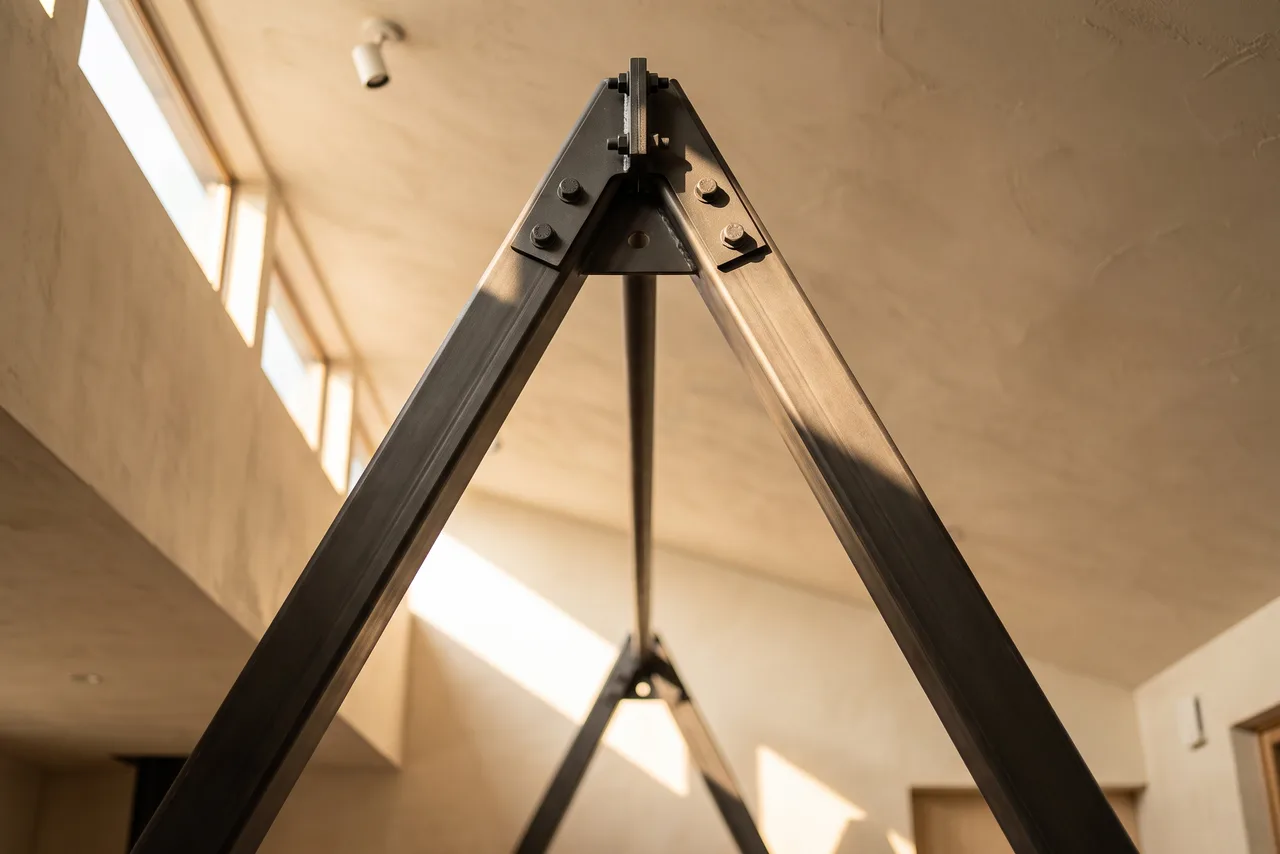
Worth adding, because it is the same trap as the ceiling hardware: a breaking load is not a working load. Uplift Active rates its aerial ceiling hooks at 330 lb working load with a 10:1 safety factor — a far more conservative kind of number than 3,036 lb of breaking strength. Do not compare the two directly.
Height is set by your fabric, not your preference
The second mistake is buying a stand by how tall the room is.
Your hammock decides the height. Aum Active publishes 8 to 11 feet as the recommended hanging height for its 5.5-yard hammock, and sells a 4.5-yard version for lower setups. Buy a rig that lands inside your fabric's range, or buy an adjustable one and set it there.
This catches people who already own the fabric. The compact stand we recommend on the aerial hammock guide stands 7 ft 10 in — just under the 8 ft that a 5.5-yard hammock is written for. That pairing works if you shorten the fabric, and it is exactly the kind of mismatch nobody flags at checkout.
Measure the usable height under the top bar, not the overall height. The difference is the depth of the bar and the hardware hanging from it, and it is several inches.
Height costs floor, and not proportionally
This is the number that decides whether the rig fits your house.
Comparing two frames from the same brand, where the published dimensions are directly comparable:
| Compact frame | Tall frame | |
|---|---|---|
| Height | 7 ft 10 in | 9 ft 8 in |
| Footprint | 67 × 51 in | 100 × 76 in |
| Floor area | ~24 sq ft | ~52 sq ft |
| Frame weight | 38 lb | 50 lb |
A 23% gain in height takes more than twice the floor. The legs have to splay further to stay stable, so the base grows in both directions at once.
Measure the room before you fall in love with a height. And note what is missing from that table: two of the most-sold stands in this category publish no dimensions at all. If a listing will not tell you its footprint, assume the larger one.
The picks
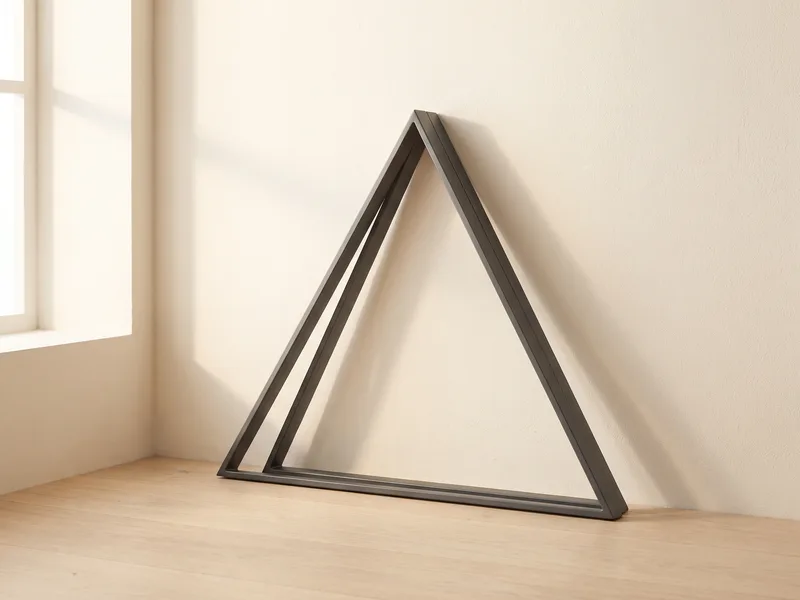
Best for a normal room
The smallest rig that still makes sense, and the only one here light enough to move alone.
- 7ft 10in tall on a roughly 67 by 51in footprint
- 38 lb and folds, so it stores and travels
- Sits just under the 8ft a 5.5-yard hammock expects
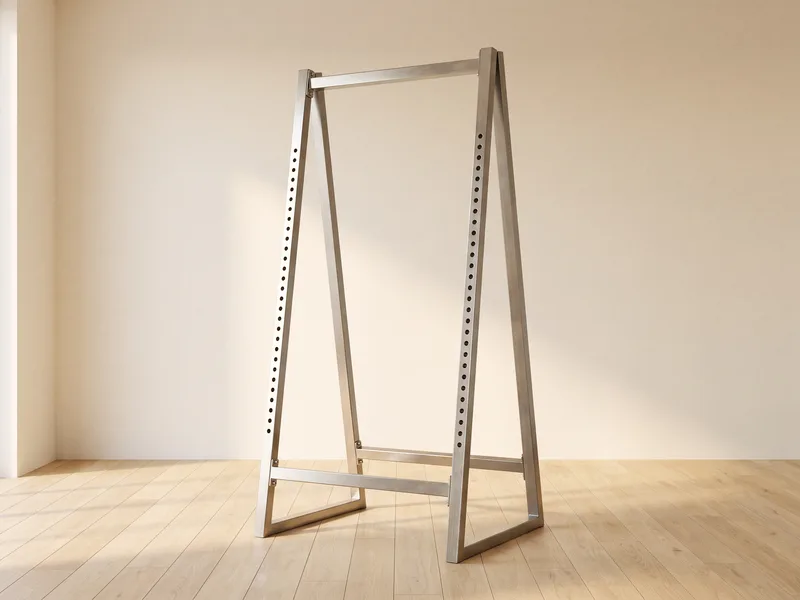
The only one that publishes real numbers
Costs several times the budget frames and is the only rig here you can actually reason about.
- SGS-verified breaking load stated per height: 3,036 lb at 7.8ft, 1,608 lb at 11ft
- Adjusts from 5ft to 11ft in 3-5in increments
- Stainless steel and magnesium alloy, CE and SGS marked
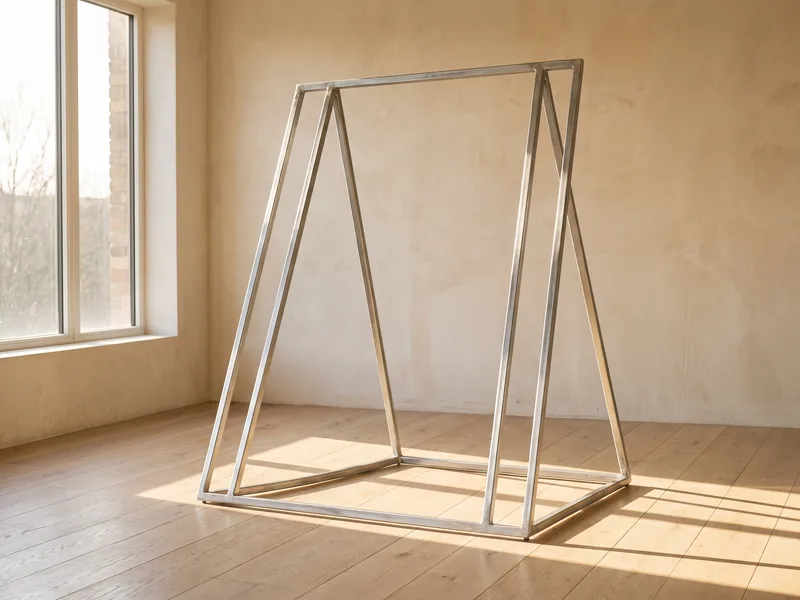
Tall on a budget
Gets you the height a long hammock wants without the certified price, provided you have the floor.
- Adjustable to 9.6ft, sold for hammock, silks, lyra and pull-ups
- Ships with safety belts to stop the frame sliding
- Publishes no dimensions and no standard — assume the larger footprint
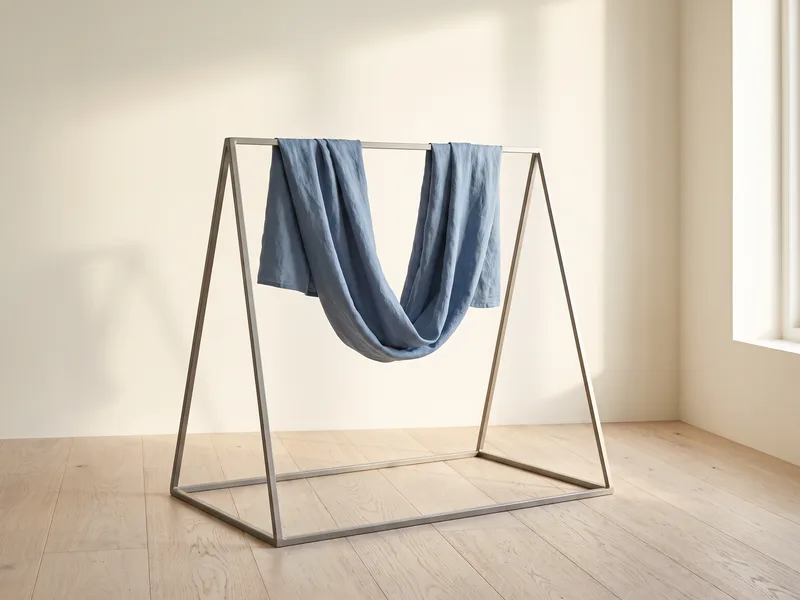
If you own neither yet
Solves the height-versus-fabric mismatch by shipping both, which is the one honest argument for a bundle.
- 9.68ft frame with 13.1 yards of fabric in the box
- Rated 551 lb, though with no height attached to that figure
- 69 lb shipped — this one does not move easily
Affiliate links — we may earn a commission. Prices and stock change too often to print here.
Who should not buy a stand
A stand is right if
- You rent, or nobody qualified has assessed your ceiling
- You have 24 to 52 sq ft of floor you can give up, at least while practising
- You want to take it outside, which no mounted point will ever do
- You already own fabric and know the hanging height it needs
Skip it if
- You have a professionally installed ceiling point already — the rig adds nothing
- Your room is smaller than the footprint, which is the usual reason
- You want it flush against a wall; the legs need clearance on both sides
- Budget is the deciding factor and a doorway bar would serve you
What we would do
Measure the floor first, then the fabric, then buy the shortest rig that clears your hanging height. Height is the expensive dimension in every sense — it costs floor, it costs money, and it costs capacity.
If you are buying near the top of a frame's range, buy the one that publishes load by height. It is the only way to know what you actually have.
The fabric side of this decision is in the aerial hammock guide, which also covers the contraindications worth raising with a doctor before any of this. If you want handles and ankle straps rather than a loop of fabric, read the yoga trapeze guide instead.
Frequently asked questions
How much weight can an aerial yoga stand hold?
Less than the listing implies, and the honest answer depends on height. PRIOR FITNESS is the only rig here that names a testing standard, and it publishes an SGS-verified breaking load of 3,036 lb at 7.8 ft frame height and 1,608 lb at 11 ft — the figure roughly halves as the frame extends. Competing stands advertise a single number, usually between 310 and 551 lb, with no height and no standard attached. Treat those as marketing rather than specification.
What height aerial yoga stand do I need?
Your fabric decides it, not your preference. Aum Active publishes 8 to 11 feet as the hanging height for its 5.5-yard hammock and sells a 4.5-yard version for lower setups. Measure the rig's usable height under the top bar, not its overall height, and buy the fabric to match — or buy an adjustable rig and set it where the fabric wants to be.
How much floor space does an aerial stand need?
More than the height suggests, because the legs splay. Comparing two frames from the same brand: the 7ft 10in model occupies roughly 67 by 51 inches, about 24 square feet. The 9ft 8in model occupies roughly 100 by 76 inches, about 52 square feet. A 23% gain in height more than doubles the floor. Measure the room before the ceiling.
Is a stand better than mounting to the ceiling?
For most home practice, yes — because it removes the only genuinely dangerous part of the purchase. Aerial hardware sellers state that ceiling installation must be done by a licensed contractor or professional rigger and that improper installation can result in injury or death. A stand needs no structural assessment, no drilling and no landlord's permission, and it goes outside. What it costs you is floor space and portability.
Can I use one stand for a hammock, silks and a trapeze?
Usually yes on the frame, but check the hanging point and the height. Most of these rigs are sold for hammock, silks, lyra and pull-up use from a single top bar. The limits are practical rather than structural: silks need far more height than a hammock, and a trapeze wants a lower bar than either. An adjustable rig covers more of that range than a fixed one.