
Gaiam Premium Yoga Mat Review
The Gaiam Premium 6mm is the mat you meet first: cushioned, nicely printed, and cheap enough to be an easy yes. For a beginner, that combination is genuinely good value — as long as you know the few places the low price quietly shows.

By The Yoga Sensei
June 15, 2026 · 8 min read
This guide contains affiliate links — recommendations aren’t based on commission. Read our full disclosure.
Decision first
The bottom line
- Best for
- Beginners and anyone new to yoga building a habit
- Skip if
- Skip it if you do hot yoga or sweat heavily, you're tall (68 inches will feel short), or you want a premium mat that performs at the top for a decade.
- Main strength
- Genuinely comfortable 6mm cushion that's forgiving on knees and wrists
- Main compromise
- Gets slippery once you sweat — not a hot-yoga mat
How this page has changed
June 15, 2026
Specifications, source links, alternatives and editorial conclusion reviewed.
Overview
When most people say "the Gaiam yoga mat," they mean the Premium 6mm — the cushioned, printed PVC mat sold in big-box stores and all over Amazon at entry-level prices. It earns its reputation as one of the better budget mats for a simple reason: enough mat to learn on, little enough money that trying yoga on it is almost risk-free.
The pitch is the sweet spot of the budget tier. It sits above an ultra-cheap foam mat, which gives more raw cushion but a wobblier, less refined feel, and well below the premium brands that cost three to five times as much and earn it on grip, longevity and feel rather than looks.
This is a research-and-specs review, not a paid lab test. It draws on Gaiam's published specs, hands-on testing from OutdoorGearLab and T3, and the themes that repeat across owner reviews — not an invented scorecard. Treat it as an honest editorial briefing on who the mat is right for, and who should look elsewhere.
Real 6mm cushion
Compresses just enough to take pressure off knees, wrists and elbows during longer holds — repeatedly flagged as one of the more comfortable budget mats.
Designs you'll actually roll out
A wide range of attractive prints. A mat you find good-looking is a mat you use, which matters more for habit-building than spec sheets admit.
6P-free PVC
Latex-free and free of the six phthalates most often flagged in cheap mats — a genuine step up from basic no-name foam, though it still carries a Prop 65 warning.
Lifetime guarantee
Gaiam backs the Premium with a lifetime guarantee, which removes much of the risk of trying yoga on a budget mat.
Grip & Performance
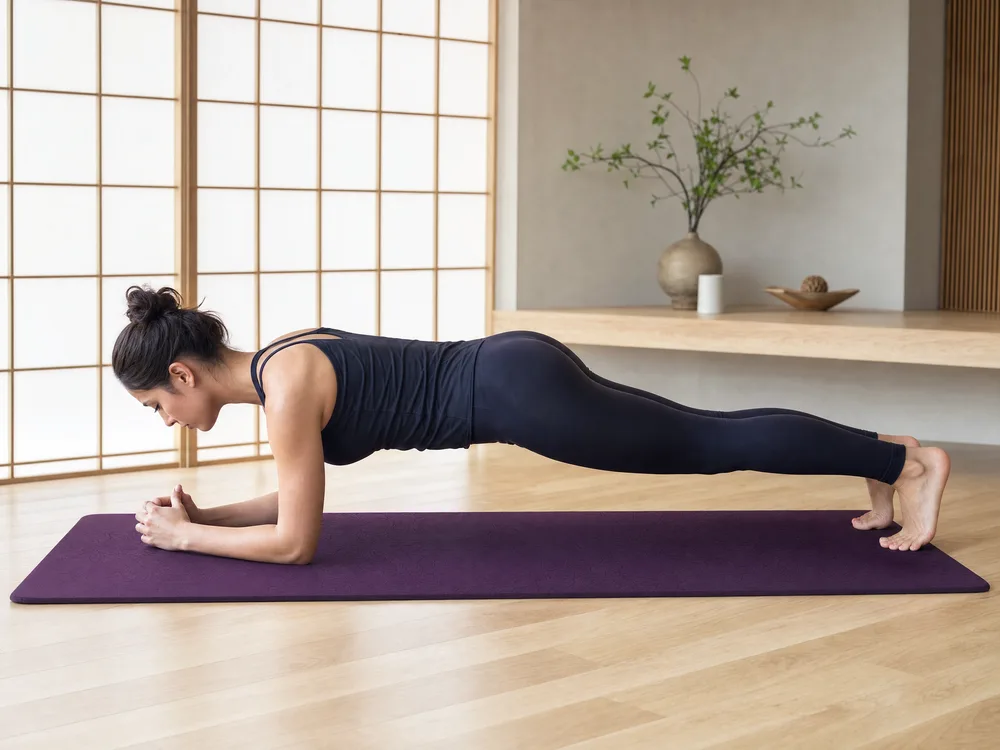
The Premium has a textured "sticky" finish that grips fine in a regular, dry class. For gentle-to-regular practice it does the job a beginner needs while the body learns the poses.
The honest limit is sweat. The surface turns slick in heat or heavy sweat — noticeably more than mats built for wet grip. This is not a hot-yoga mat; for heated practice you'd want a rubber or PU mat made for wet grip, or a towel on top at minimum.
There's also a stability trade-off baked into the cushion. Six millimetres of soft PVC is forgiving but a little vague in standing balances, where the mat can feel slightly less grounded. If balance work is most of your practice, a firmer, thinner mat suits you better.
- Dry grip
- Mixed
- Wet grip
- Limited
- Stability
- Mixed
- Slip resistance
- Mixed
Comfort & Support
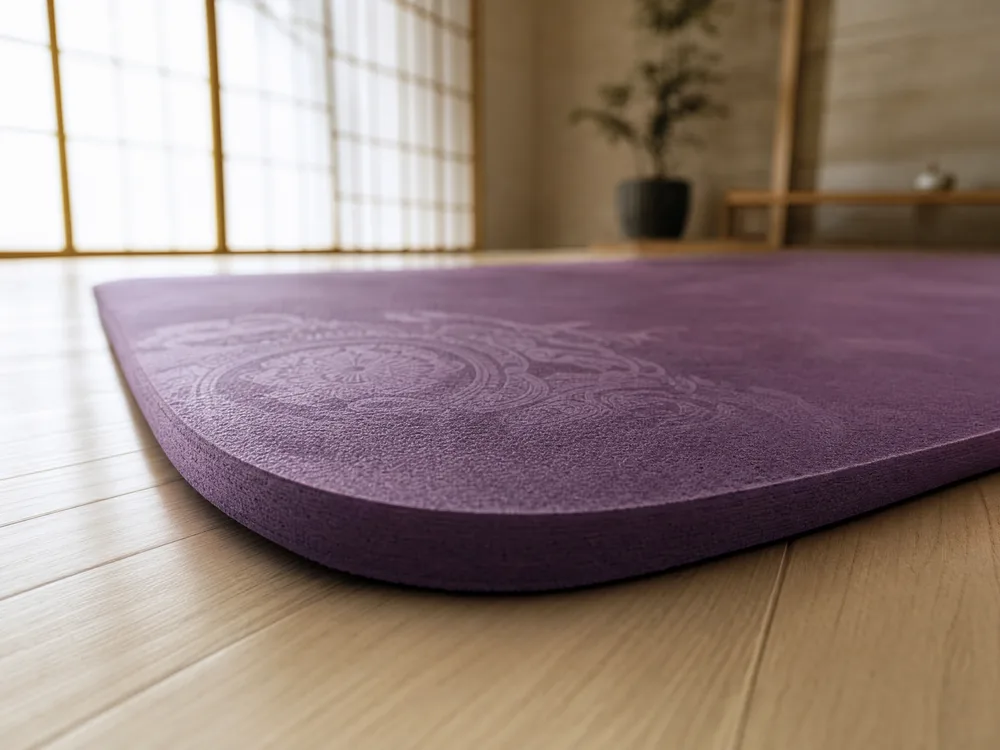
The 6mm cushion is the real draw, and it's the reason teacher-testers and reviewers like OutdoorGearLab regularly flag the Gaiam as one of the more comfortable budget options. It compresses just enough to take pressure off knees, wrists and elbows during longer holds — exactly what a newer practitioner, or anyone with sensitive joints, wants while the body adjusts.
At 3.3 lb on OutdoorGearLab's scale — Gaiam publishes no weight of its own — it is less than half what a dense premium mat like the Manduka PRO asks you to carry, which matters when the habit is still fragile. A mat that feels like a chore to move tends to stay in the corner; this one doesn't.
The catch is length. At 68 inches it runs a few inches under the 71–72-inch standard, so taller practitioners will find hands or feet drifting off the end in long poses. For someone of average height building a routine, the cushion-and-carry balance is hard to beat for the price.
- Cushioning
- Good
- Joint support
- Good
- Stability
- Mixed
- Overall comfort
- Good
Durability
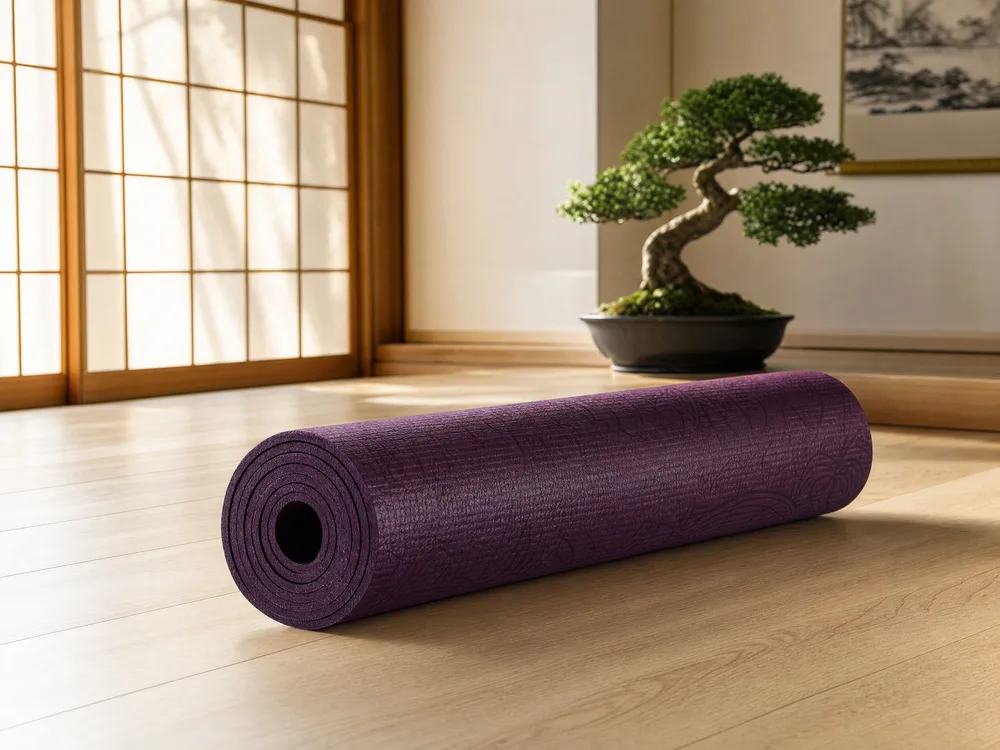
PVC is slow to degrade, and Gaiam backs the Premium with a lifetime guarantee — which removes much of the risk of trying it. Owners commonly report three-plus years of regular use in good shape, so it clearly outlasts cheap foam.
The limit is the performance ceiling, not catastrophic failure. The surface grip and cushion soften over time before a premium mat would, and construction and long-term grip don't match a Manduka or Lululemon. That's the deal you're knowingly making for the price.
One more honest note on the material: the printed PVC off-gases out of the wrap, sometimes strongly. Gaiam recommends unrolling and airing it out for two to three days before your first session; most owners say the smell fades, though a few report it lingers longer.
Editorial assessment
Mixed
Specs
- Thickness
- 6 mm
- Dimensions
- 68" × 24" (shorter than the 71–72" standard)
- Weight
- 3.3 lb (measured by OutdoorGearLab; Gaiam publishes none)
- Material
- PVC — latex-free and 6P-free
- Latex
- Latex-free
- Surface
- Textured "sticky" finish
- Extras
- Lifetime guarantee; wide range of prints
Who it’s for
Buy it if
- Beginners and anyone new to yoga building a habit
- Casual or gentle-to-regular (non-heated) practice
- Practitioners who want real cushion for sensitive knees and wrists
- People who want a good-looking mat without spending much
- Anyone testing whether yoga will stick before committing to a premium mat
Not ideal for: Skip it if you do hot yoga or sweat heavily, you're tall (68 inches will feel short), or you want a premium mat that performs at the top for a decade.
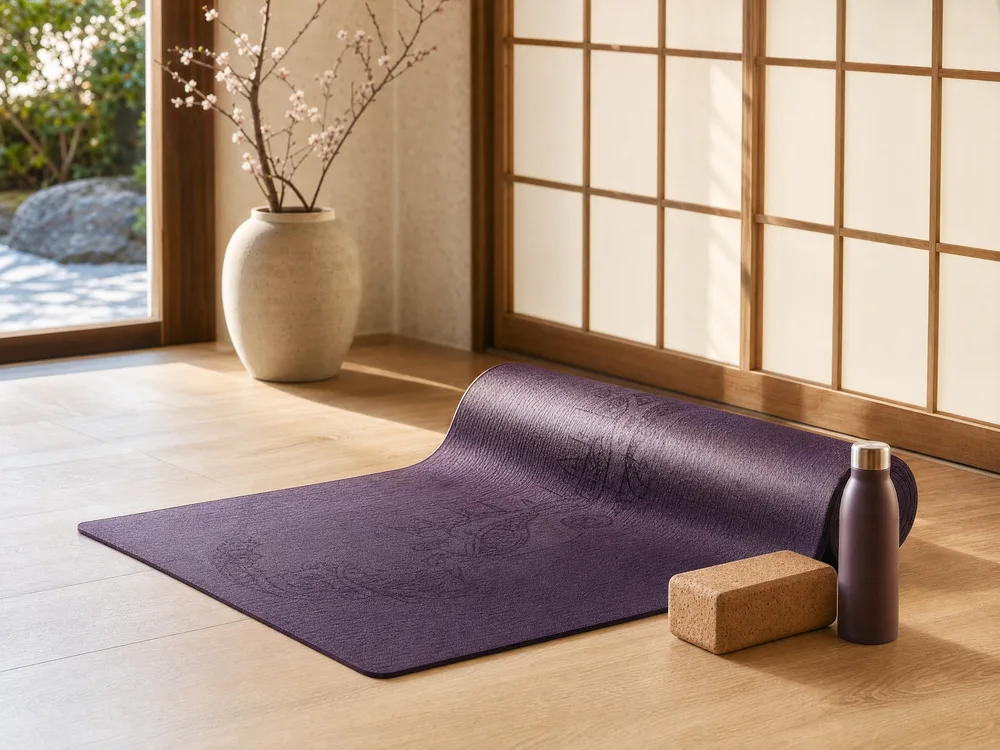
As a first mat, the Gaiam Premium 6mm is one of the easiest recommendations in the category: real cushion, designs you'll actually roll out, a low price and a lifetime guarantee. Just air out the initial smell before your first session, and accept that it isn't built for heated classes, tall bodies, or a decade of daily studio use. Buy it to start, build the routine, and upgrade once your practice tells you what you actually need.
Other mats worth a look.
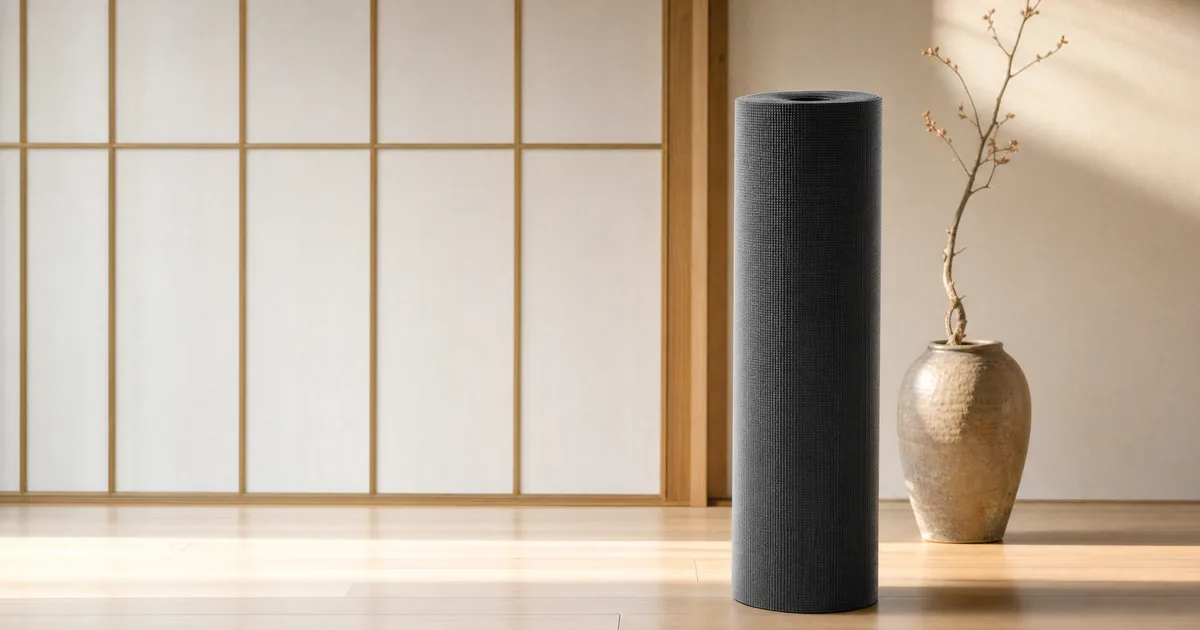
Best Overall
Manduka PRO 6mm
Strong
Read review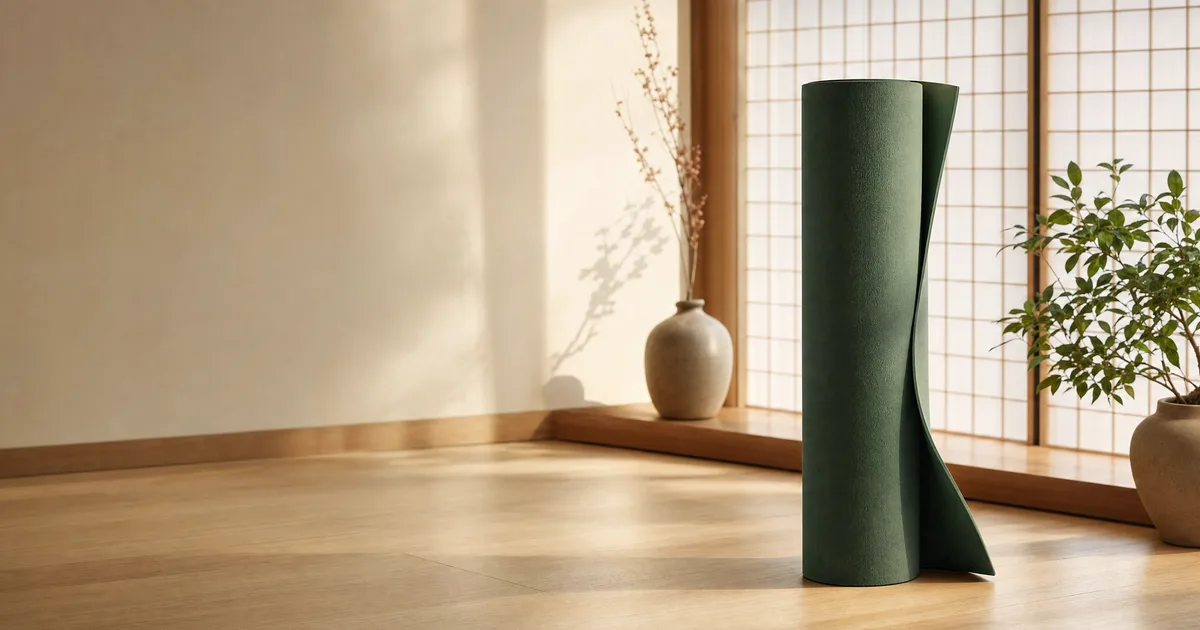
Best Natural Rubber
Jade Harmony
Strong
Read review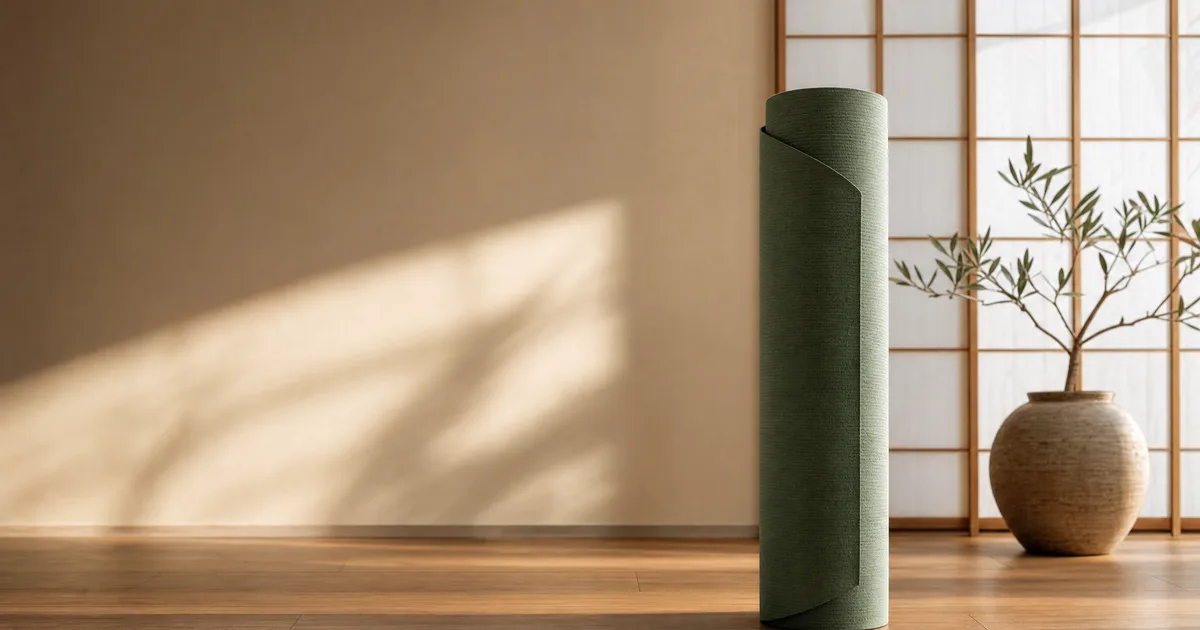
Best Studio Feel
Lululemon The Mat
Strong
Read review
Best Cushion / Budget
Retrospec Solana
Good
Read review
“The right tools support your practice. Consistency transforms it.”
Useful next steps
Go deeper without losing the thread.
Choose
Find the option that fits.
Start yoga,
the calm way.
Get the free Yoga for Beginners Starter Guide — the gear worth buying, eight foundational poses, and a 10-minute routine, with every source linked. Plus one short email a week. Unsubscribe anytime.