
Retrospec Solana Yoga Mat Review
The Retrospec Solana sells on one promise — thickness — and for cushion-first floor work at a budget price it genuinely delivers. This honest review is mostly about the gap between "the most cushioned mat" and "the best mat for your practice."

By The Yoga Sensei
June 15, 2026 · 8 min read
This guide contains affiliate links — recommendations aren’t based on commission. Read our full disclosure.
Decision first
The bottom line
- Best for
- Anyone wanting maximum cushion for the least money
- Skip if
- Skip it if your practice leans on standing balances, inversions or hot yoga, if you want a mat that lasts many years, or if sustainability is a primary buying reason — the soft NBR foam wobbles, goes slick when wet, compresses over time, and is a petroleum-based synthetic, not an eco material.
- Main strength
- Excellent cushion-per-dollar — half an inch of high-density foam protects knees, elbows and hips
- Main compromise
- Soft foam wobbles in standing balances and inversions — not a precision grip mat
How this page has changed
June 15, 2026
Specifications, source links, alternatives and editorial conclusion reviewed.
Overview
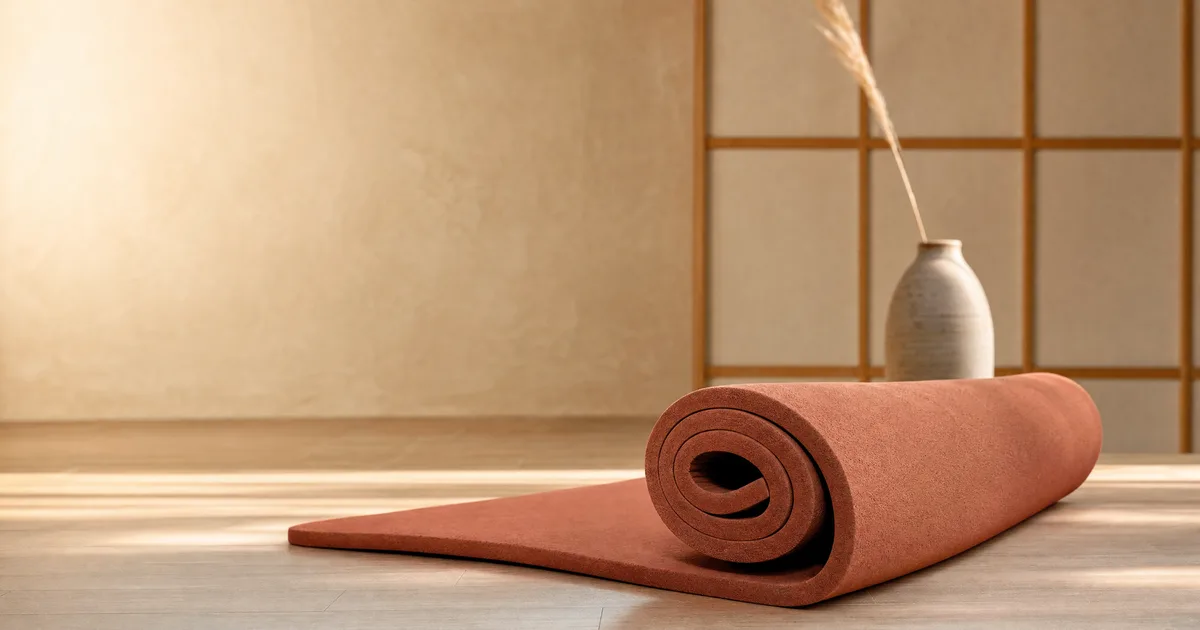
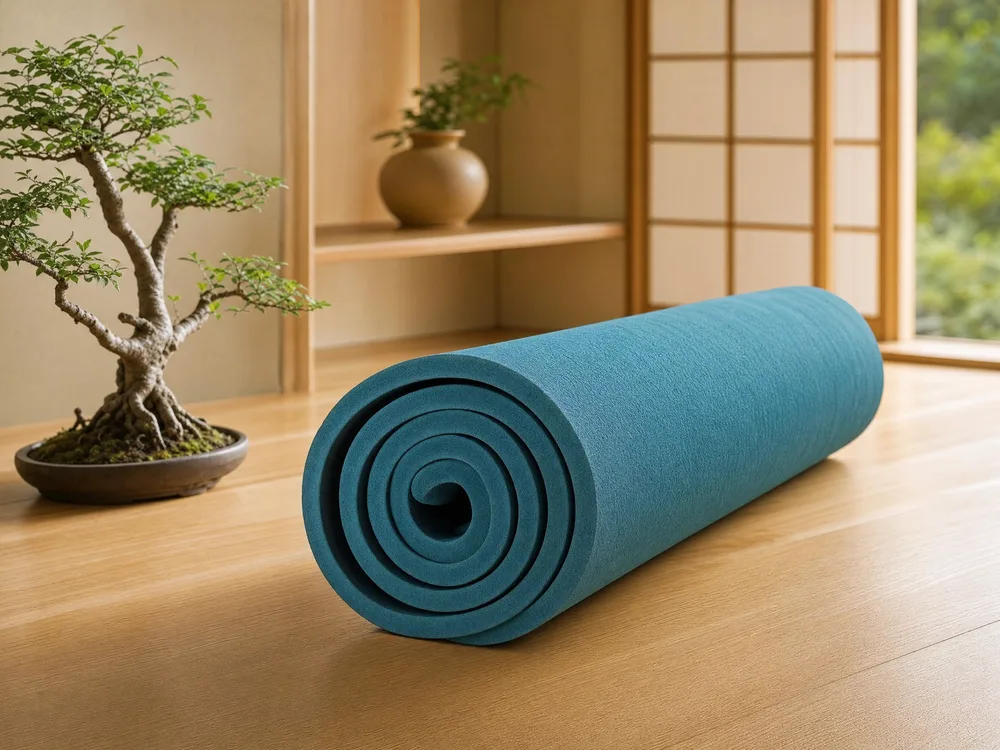
The mat most people mean by "the Retrospec Solana" is the half-inch XL version with a carry strap — an affordable thick-foam mat built around comfort and floor work rather than precision yoga. It measures 72″ × 24″, weighs about 3 lb, and is made of high-density NBR foam (closed-cell), with a ribbed slip-resistant surface and a nylon carry strap included. A 1-inch version also exists for people who want maximum padding over stability.
This is a research-and-specs review, not a year-long personal test. It draws on Retrospec's published specs, the material behaviour of NBR foam, and the themes that repeat across owner reviews — no invented scorecard, no frozen price. The honest framing throughout is that cushion and stability pull in opposite directions, and the Solana sits hard at the cushion end.
The price sits at the budget end, which is the other half of the story: this is a budget mat doing a budget mat's job well, not a premium mat undercutting the field. Against the premium grip mats the testing sites obsess over, it isn't really a competitor — it's a different product for a different buyer, and what it wins on is cushion-per-dollar.
Half an inch of high-density foam
About 13 mm of high-density NBR foam takes the bite out of kneeling, low lunges and seated work — the headline reason to buy it and a genuine relief for sore joints.
Latex-free and phthalate-free
If you react to the natural rubber in mats like Lululemon's or Manduka's, the foam construction sidesteps the latex problem entirely.
Budget price with a strap included
At a budget price, latex-free and with a nylon carry strap included, it's hard to beat on value for cushion-first floor work.
Two thicknesses, one job
The half-inch (~3 lb) is the pick for actual yoga; the 1-inch (~4 lb) trades stability for maximum padding on floor and kneeling-heavy work.
Grip & Performance
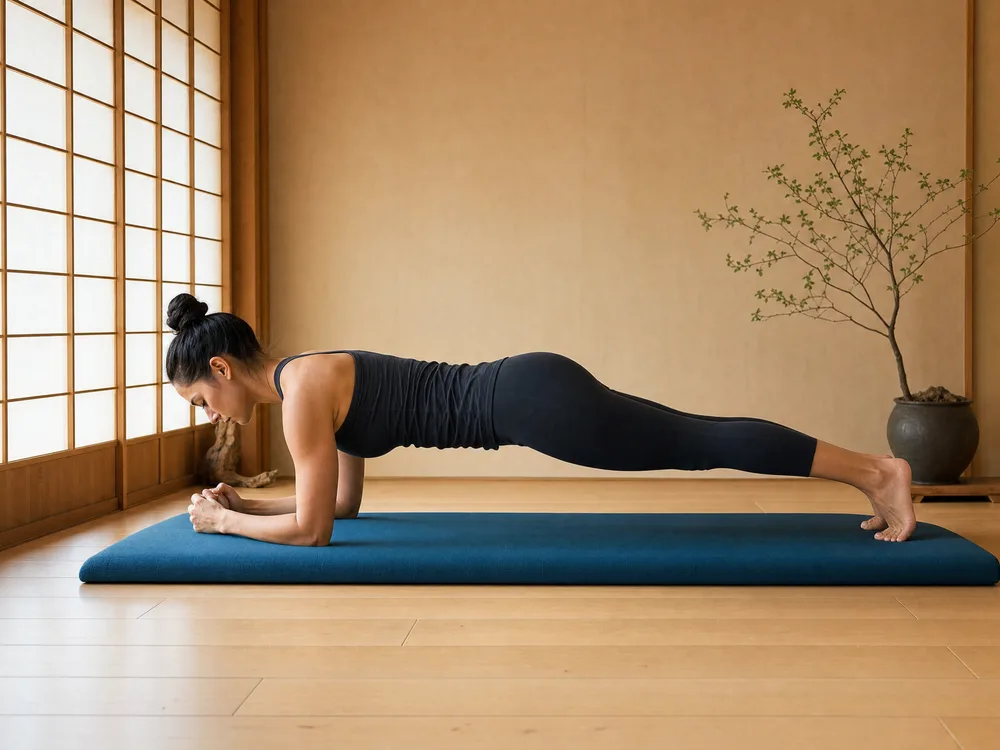
Grip is where the soft-foam trade-off shows. The Solana has a ribbed, slip-resistant texture, but the same thick foam that protects your knees moves under your feet — tree pose, warrior III and any single-leg balance feel less grounded than on a firm 4–5 mm mat. The thicker 1-inch version makes this worse, which is why most yogis should pick the half inch.
It is also not built for hot yoga. The foam surface doesn't absorb sweat the way a rubber or polyurethane top does, so it can go slick once your hands and feet are wet, and a sweaty downward dog on soft foam feels unstable. If you sweat heavily, this is the wrong mat — or a towel-on-top mat at best.
The honest summary is that this is a comfort mat, not a precision grip mat. For standing balances, inversions or precise grounding, a firmer, thinner mat will serve you far better.
- Dry grip
- Mixed
- Wet grip
- Limited
- Stability
- Limited
- Slip resistance
- Mixed
Comfort & Support
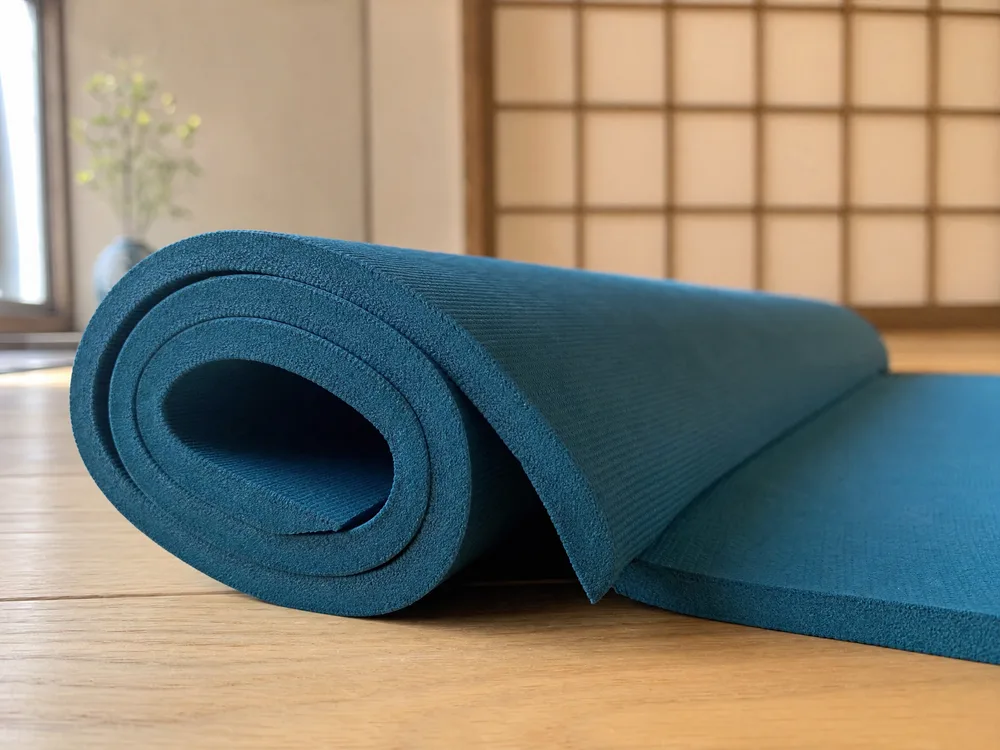
Comfort is the mat's whole argument, and it's a real one. Half an inch of high-density foam takes the bite out of kneeling poses, low lunges, seated work and any pose that grinds a knee, elbow or hip into the floor. For anyone returning to movement, carrying extra weight, recovering from joint pain, or simply tired of a hard floor through a thin mat, the relief is immediate and obvious.
That makes it a natural fit for restorative yoga, gentle hatha, mat Pilates, somatic stretching and general floor exercise. If your main reason for buying is achy knees, this is squarely the category it was built for.
The support has a flip side: that same cushion is what costs you stability in standing balances. The half inch keeps enough connection to the floor that you can still balance; the 1 inch trades more of that away for maximum padding, and is heavy and bulky enough to be effectively a stay-at-home mat.
- Cushioning
- Exceptional
- Joint support
- Exceptional
- Stability
- Limited
- Overall comfort
- Strong
Durability
Durability is a known weak point of closed-cell foam. The foam dents and packs down at the high-pressure points — hands, knees and feet — faster than dense rubber or PVC. Owners typically get a couple of years of regular home use before the foam starts to compress, so treat it as an affordable mat you may replace in a few years, not a buy-once-cry-once mat.
There's also a break-in quirk: rolled tight for shipping, it often curls for a day or two out of the box. Unroll it under something flat and give it time before you judge it.
None of this is a defect so much as the cost of the category. At this price the replaceable lifespan is part of the value equation, not a hidden surprise — just don't expect rubber-mat longevity from a budget foam mat.
Editorial assessment
Mixed
Specs
- Thickness
- ½ in (≈13 mm); 1 in (≈25 mm) version also exists
- Dimensions
- 72″ × 24″
- Weight
- ~3 lb (≈1,361 g)
- Material
- High-density NBR foam (closed-cell)
- Latex
- No — latex-free and phthalate-free
- Surface
- Ribbed, slip-resistant texture
- Included
- Nylon carry strap
Who it’s for
Buy it if
- Anyone wanting maximum cushion for the least money
- Restorative and gentle practice, mat Pilates, floor and stretching work
- People with sore or sensitive knees, or recovering from joint pain
- Those returning to movement or tired of a hard floor through a thin mat
- Buyers who need a latex-free mat because they react to natural rubber
Not ideal for: Skip it if your practice leans on standing balances, inversions or hot yoga, if you want a mat that lasts many years, or if sustainability is a primary buying reason — the soft NBR foam wobbles, goes slick when wet, compresses over time, and is a petroleum-based synthetic, not an eco material.
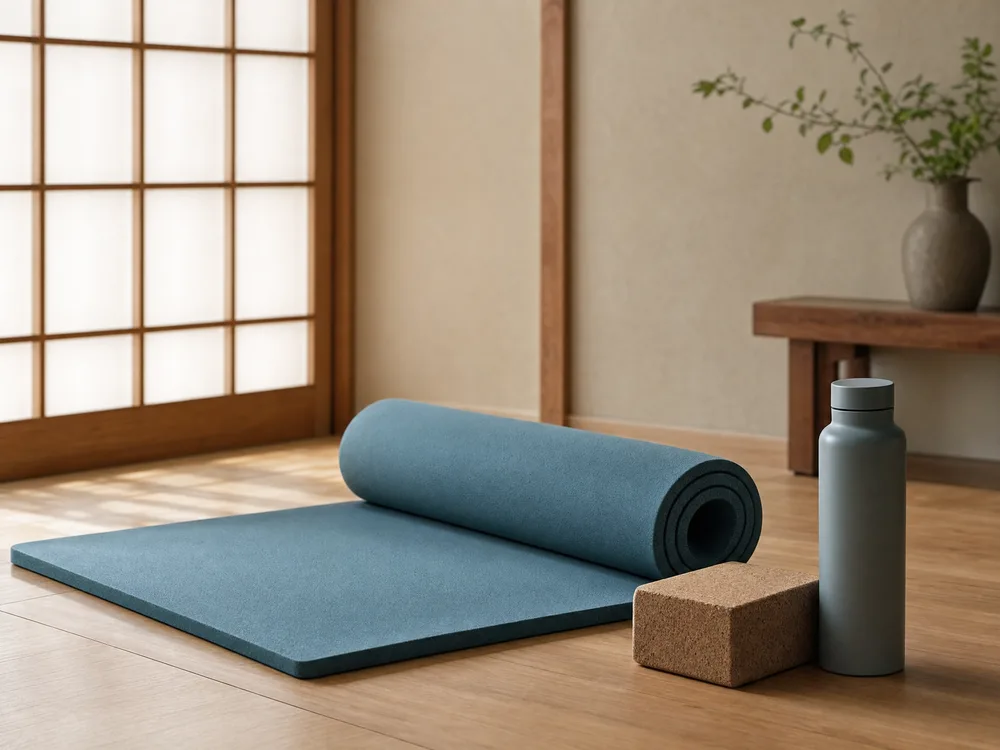
The Retrospec Solana is one of the best value cushion mats you can buy — buy it for restorative yoga, mat Pilates, stretching, floor work or protecting sore knees, and the relief is immediate. Just go in clear-eyed: the same soft foam that saves your joints wobbles under your feet in standing balances, goes slick in hot yoga, and compresses within a few years. It's a comfort mat, not a precision grip mat, and judged on that one job it earns its place.
Other mats worth a look.
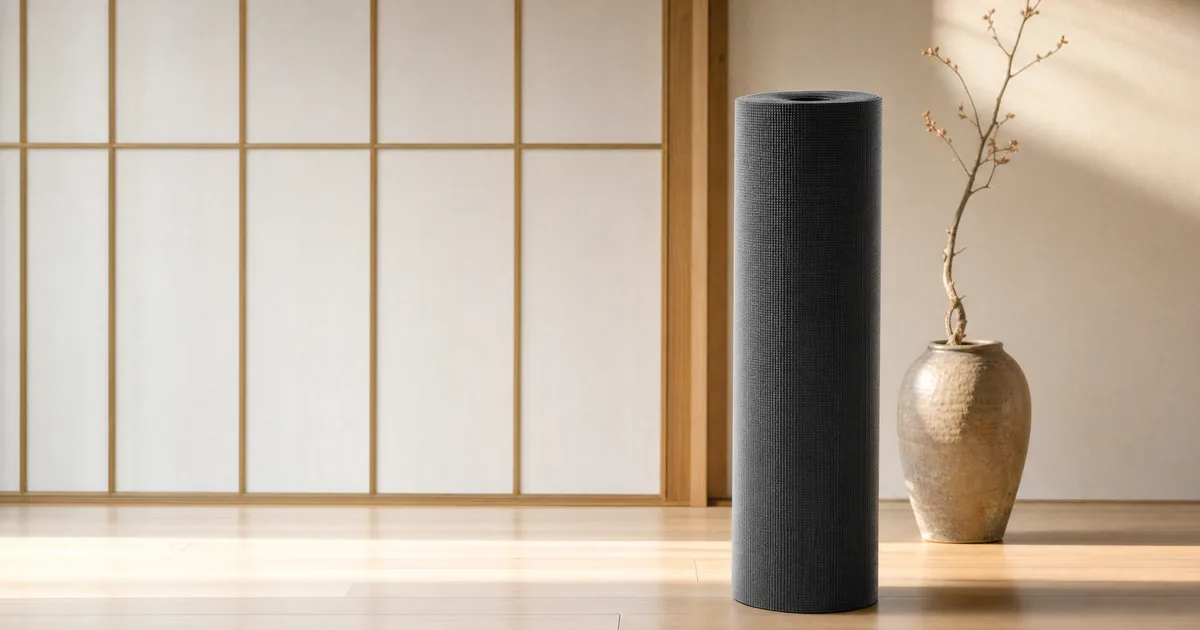
Best Overall
Manduka PRO 6mm
Strong
Read review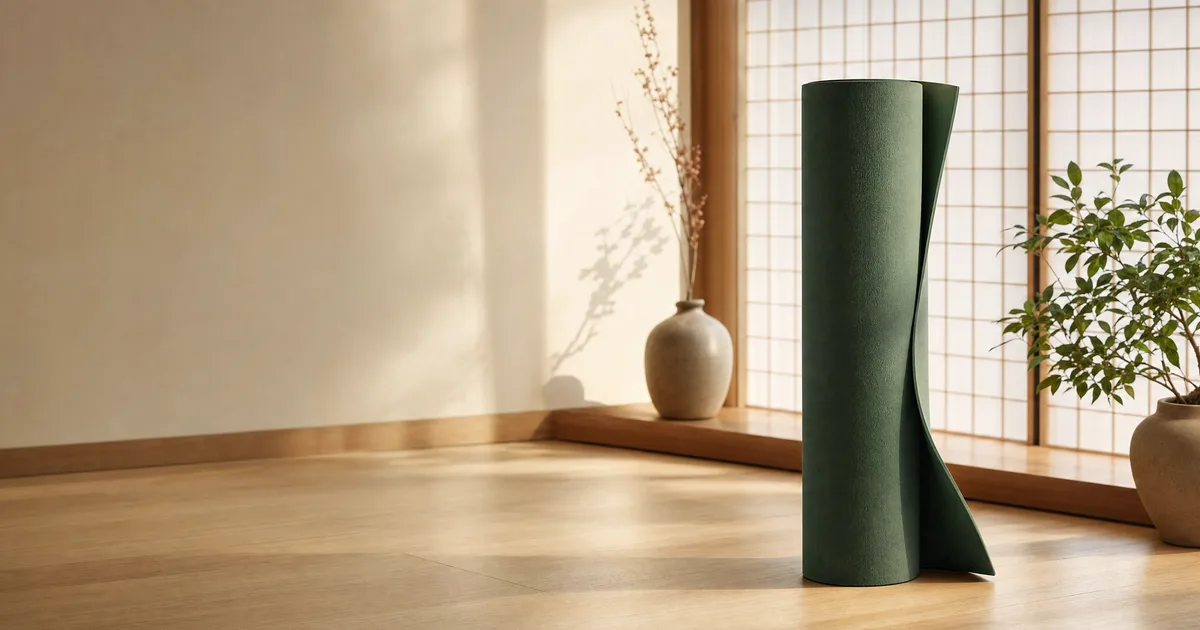
Best Natural Rubber
Jade Harmony
Strong
Read review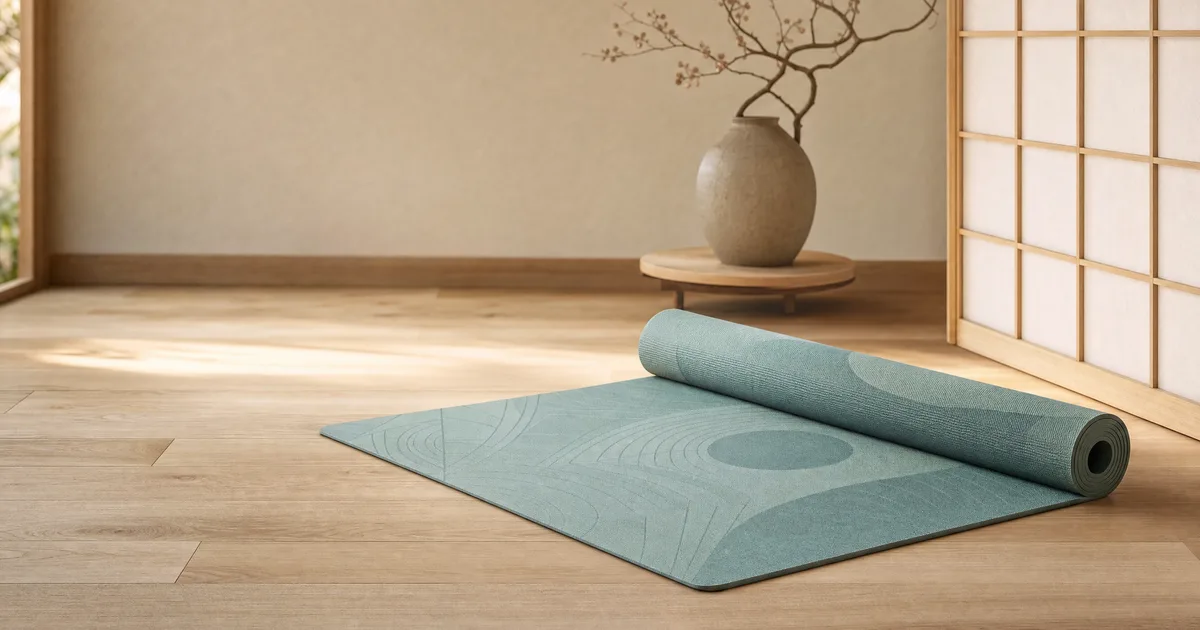
Best Value / Beginners
Gaiam Premium 6mm
Good
Read review
Best Studio Feel
Lululemon The Mat
Strong
Read review
“The right tools support your practice. Consistency transforms it.”
Useful next steps
Go deeper without losing the thread.
Choose
Find the option that fits.
Start yoga,
the calm way.
Get the free Yoga for Beginners Starter Guide — the gear worth buying, eight foundational poses, and a 10-minute routine, with every source linked. Plus one short email a week. Unsubscribe anytime.