
Skip to content
The Yoga Sensei
Yoga gear reviews

The 7 best yoga mats
for every practice.

We compared the mats that actually matter — scored on grip, cushion, durability, value and eco — to find the right one for every type of practice. Researched and honestly ranked, never lab-faked.

See our top pick
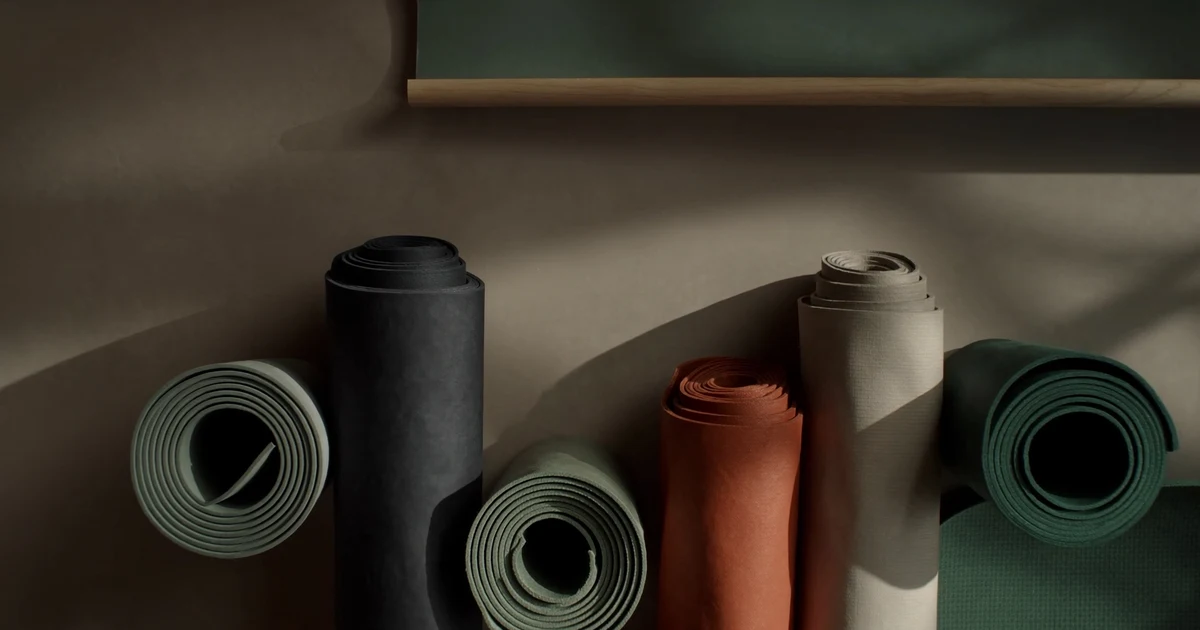
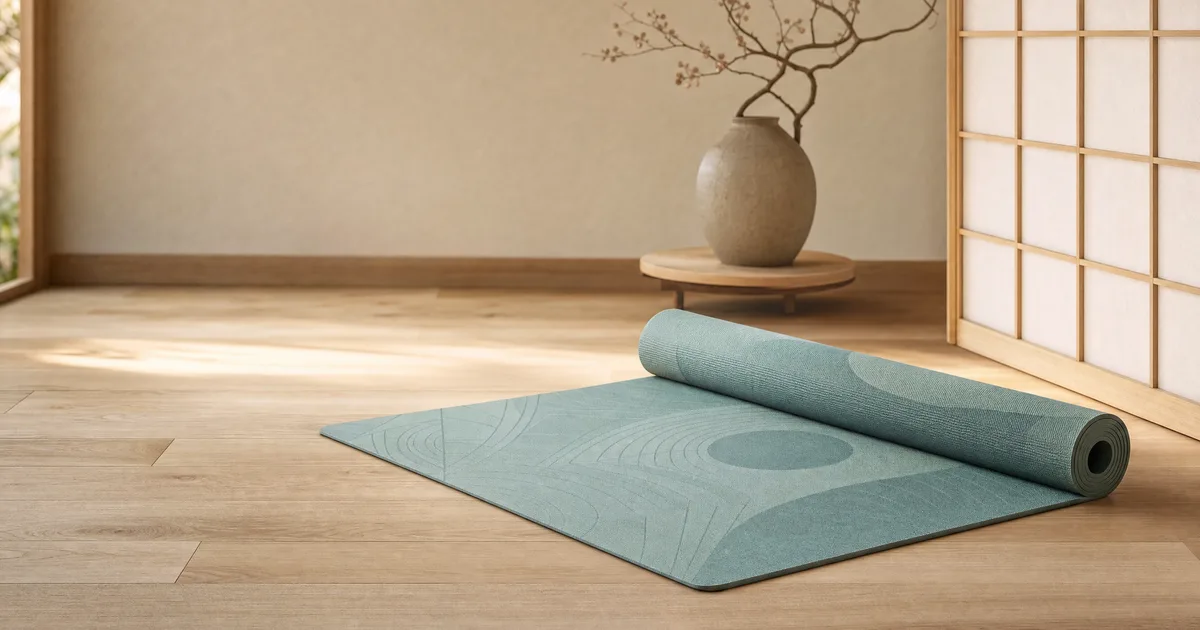
A rolled sage-green yoga mat in a calm, light Japanese-inspired studio

7 mats compared

Research-led shortlist

Honest & independent

No sponsorship bias

Real-world lens

How they practise

Updated 2026

Latest picks

Our top picks

Seven mats, honestly ranked.

  • Manduka PRO 6mm yoga mat1

    Best Overall

    Manduka PRO 6mm

    4.6

    Dense, near-indestructible cushioning and a lifetime-warranty story — the archetypal buy-it-for-life mat.

    Read review
  • Manduka GRP Adapt 2.0 yoga mat2

    Best for Hot Yoga

    Manduka GRP Adapt 2.0

    4.4

    A charcoal-infused top that grips when class gets humid — built for sweat where dry-grip mats fail.

    See on the list
  • Liforme Original yoga mat3

    Best for Alignment

    Liforme Original

    4.3

    Etched alignment markers plus an excellent grippy surface — visual guidance without a teacher at your shoulder.

    See on the list
  • Jade Harmony yoga mat4

    Best Natural Rubber

    Jade Harmony

    4.2

    Traditional natural-rubber grip that feels planted to the floor — and a tree planted with every mat.

    Read review
  • Gaiam Premium 6mm yoga mat5

    Best Value / Beginners

    Gaiam Premium 6mm

    3.9

    Cheap, cheerful and everywhere — a low-risk first mat with real cushion while you find out if yoga sticks.

    Read review
  • Manduka eKO 5mm yoga mat6

    Best All-Round Cushion

    Manduka eKO 5mm

    4.2

    Cushion and grip in one substantial natural-rubber mat — the comfortable all-rounder for home practice.

    See on the list
  • Manduka eKO Lite 4mm yoga mat7

    Best Travel / Lightweight

    Manduka eKO Lite 4mm

    4.0

    Rubber feel without the heaviest carry — a packable everyday mat for commuters and small spaces.

    See on the list
Compare

The shortlist, side by side.

MatGripCushionDurabilityWeightMaterialBest forPrice
Manduka PRO 6mm3.4 kgPVC (closed-cell)All levels, serious & studio practice$$$View
Manduka GRP Adapt 2.02.9 kgPVC + charcoalHot yoga & heated vinyasa$$$View
Liforme Original2.5 kgEco-PU + natural rubberBeginners & alignment-focused practice$$$View
Jade Harmony2.4 kgNatural rubberGrippy, grounded vinyasa$$View
Gaiam Premium 6mm1.6 kgPVCBeginners & occasional home practice$View
Manduka eKO 5mm3.0 kgNatural rubberHome practice & general vinyasa$$View
Manduka eKO Lite 4mm2.3 kgNatural rubberTravel & carrying often$$View
The reviews

Every pick, in detail.

1Best Overall

Manduka PRO 6mm

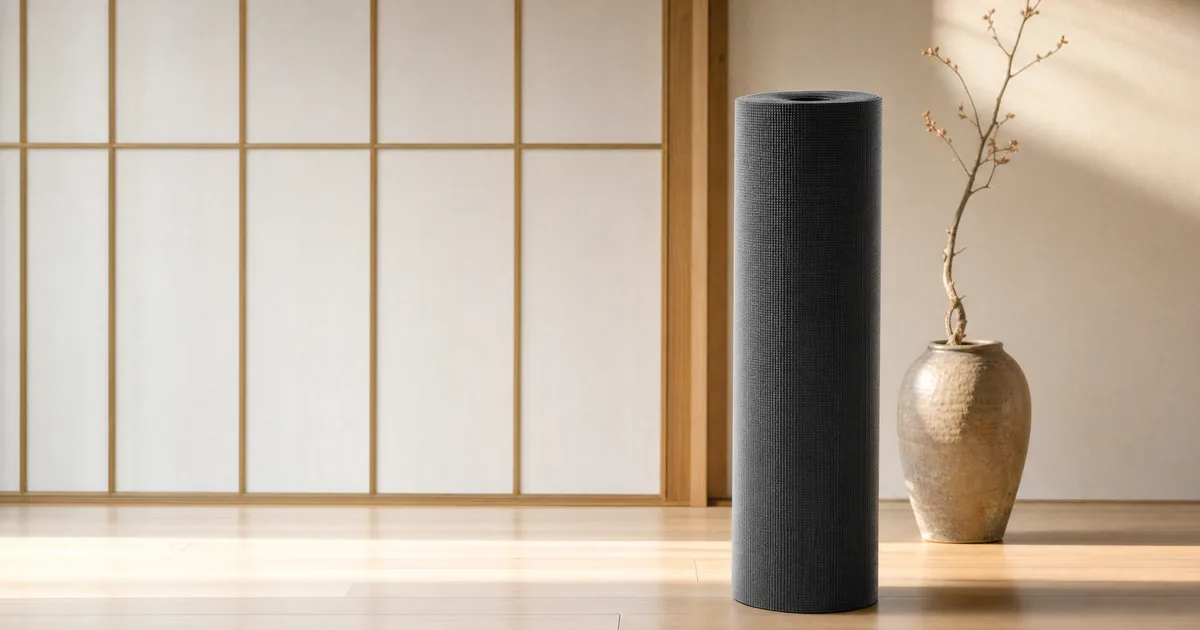
It's the safest "one serious mat" pick when you want durability and a studio-grade feel more than easy carrying. The dense, closed-cell PVC is built for roughly a decade of use and backed by a lifetime guarantee, so its strengths are broad and stable rather than tied to one kind of practice. It earns Best Overall not because everyone should buy it, but because it's the archetype of a mat that can live for years.

What we like

  • Dense closed-cell PVC built for roughly ten years of use, backed by a lifetime guarantee
  • Closed-cell surface keeps sweat and bacteria on top instead of soaking in, so it wipes clean and stays hygienic
  • Lies flat and stays planted, so it feels stable when you step back into a lunge or press through downward dog
  • Latex-free PVC, the one safe Manduka if you react to rubber
  • Versatile enough for home practice, slower studio classes, strength work and general vinyasa on one mat

Worth knowing

  • A new PRO is genuinely slick and needs weeks to months of practice to break in (the top owner complaint); use a towel or grip gel until then
  • Heavy at around 7.5 lb, so it travels poorly and isn't a good daily commuter mat
  • Not ideal for hot yoga or a first beginner mat, where the GRP or eKO suit better
Read the full review
Manduka PRO 6mm yoga mat

Editorial score

4.6/5

GRIPCUSHIONDURABILITYVALUEECO
Best for
One serious long-term studio/home mat
Grip
Slick when new; needs weeks-to-months break-in
Cushion
6mm dense, supportive under knees and wrists
Durability
~10-year build, lifetime guarantee
Price
$$$

If you want one serious long-term mat and practise mostly in one place, this is the one to start with, and you accept the weight as part of the deal. Plan for the break-in (towel or grip gel for the first weeks to months) and it rewards a committed home or studio practice better than almost anything in the category. Skip it if you carry a mat across town, want natural rubber, or mainly sweat through hot classes.

2Best for Hot Yoga

Manduka GRP Adapt 2.0

This is the most sweat-specific mat in the lineup, which is why it earns its own spot rather than being folded into the generic premium category. The published specs list a PU top with a rubber base at 5mm and a weight around 6.2 lb, and that construction is built around the real hot-yoga problem: not just cushion, but traction once sweat appears. Polyurethane-style tops can feel grippy under damp hands in a way basic foam and many dry-grip surfaces do not, and Manduka positions the GRP line around sweat readiness, with established reviewers broadly treating it as a serious hot-yoga option.

What we like

  • PU-style top is built for wet grip and can hold traction once your hands get damp, where dry-grip mats often fail
  • Genuinely sweat-specific rather than a general premium mat repurposed for hot rooms
  • 5mm thickness gives a sensible middle ground of cushion without going floaty
  • Latex-free construction, unlike the natural-rubber-base picks in this guide
  • Backed by Manduka's sweat-readiness positioning and broad reviewer consensus as a hot-yoga option

Worth knowing

  • PU-style tops demand careful cleaning, full drying and no rolling it up wet, so it is more maintenance than a basic mat
  • Overkill if you rarely sweat or mostly practise slow, dry classes
  • Not a natural-rubber-only material story if that is what you want
See it on the list
Manduka GRP Adapt 2.0 yoga mat

Editorial score

4.4/5

GRIPCUSHIONDURABILITYVALUEECO
Best for
Hot yoga and heated vinyasa
Grip
Strong wet grip from PU-style top
Cushion
5mm, balanced middle ground
Durability
PU top wears differently than PVC; needs careful drying
Price
$$$

If you practise hot classes or heated vinyasa weekly and know dry-grip mats fail you once the room gets humid, this is the pick to solve wet grip first. Accept that the PU-style top is part of a care routine, not a wipe-and-go mat. If you rarely sweat or want the simplest possible surface, look elsewhere in the list.

3Best for Alignment

Liforme Original

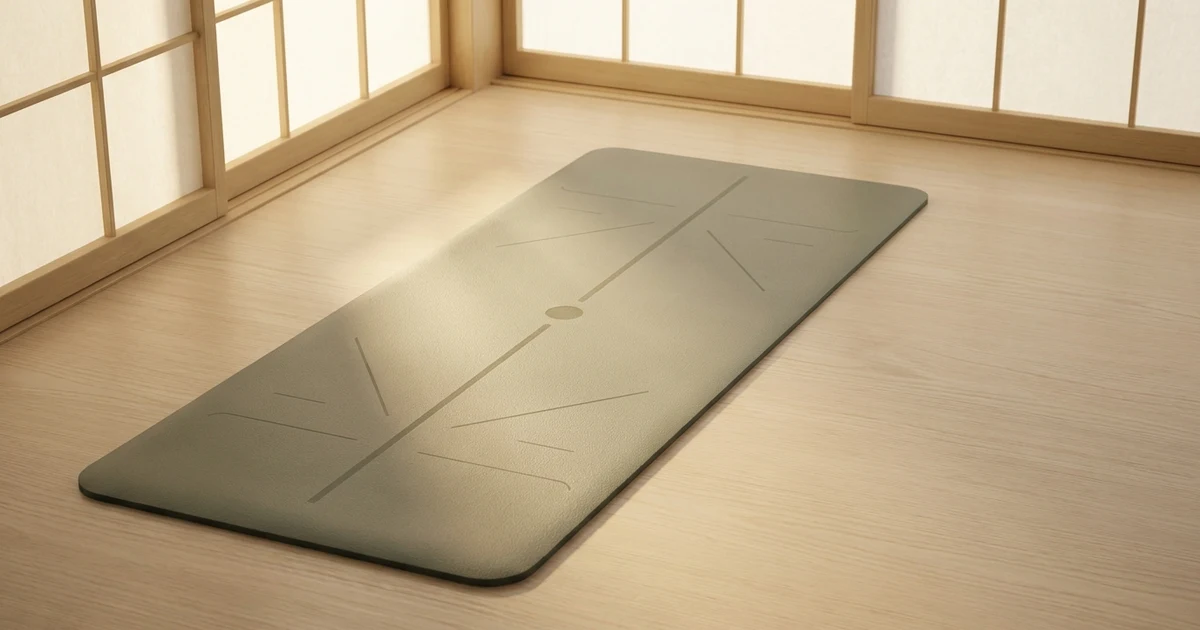
It earns the Best for Alignment spot because it solves a different problem than "which mat is grippiest" — its AlignForMe guide-line system prints a visual map into the surface to help you place hands, set foot angles and judge stance width. That matters because many practitioners aren't failing for lack of effort; they're guessing where the hands go in downward dog or how wide to stand in warrior, and a visual reference makes those corrections less abstract.

What we like

  • AlignForMe guide lines give concrete placement cues for hands, feet and stance width
  • Useful for beginners and home learners who don't have a teacher correcting every stance
  • Eco-PU top over a natural rubber base should feel more grounded than a thick foam mat
  • At 4.2mm it sits in the stable, responsive zone that suits alignment and standing work

Worth knowing

  • Natural rubber base means it is not a neutral choice for latex-sensitive practitioners
  • Alignment lines only help if you use them as feedback, not a rigid rule — your proportions, mobility and teacher cues still matter
  • Not a thick cushion-first surface, and the printed markings won't suit everyone
See it on the list
Liforme Original yoga mat

Editorial score

4.3/5

GRIPCUSHIONDURABILITYVALUEECO
Best for
Alignment-focused practice
Grip
Eco-PU top, responsive surface
Cushion
4.2mm, stable not plush
Durability
Eco-PU over natural rubber base
Price
$$$

A genuinely different pick: choose it when seeing where your body is matters more than raw grip or plush cushion. Best for beginners who like visual guidance, alignment-focused practice and home learners who benefit from placement cues. Skip it if latex sensitivity is an issue, you dislike visual markings on a mat, or you want a thick cushion-first surface.

4Best Natural Rubber

Jade Harmony

It's the classic natural-rubber pick — the mat teachers reach for when grip is the priority. Open-cell rubber grabs the floor and your skin directly, with no coating to wear off and no break-in, so it grips from the very first roll-out. Add a genuinely credible eco story (renewable, non-Amazon-harvested tree rubber, biodegradable, no PVC, made in the USA, a tree planted per mat) and you get the best natural-rubber choice for a dry home or studio practice.

What we like

  • Best-in-class dry grip straight out of the box, with no break-in period
  • Tactile, slightly textured natural-rubber feel that many practitioners prefer to slick PVC or spongey foam
  • Credible eco story: renewable tree rubber, biodegradable, no PVC, made in the USA with a tree planted per mat
  • Grounded everyday cushion at around 4.7mm — enough support without turning into a soft wobble pad
  • Around 5lb, it stays put well and feels planted during practice

Worth knowing

  • Open-cell rubber absorbs sweat and turns slippery when soaked, so it's a poor hot-yoga mat and the textured ridges are harder to clean after a sweaty class
  • Latex-relevant despite the latex-free marketing — Jade notes the rubber may contain trace latex proteins, so anyone with a latex sensitivity should skip it
  • Needs care: a rubber smell at first, no harsh cleaners, must dry fully and stay out of direct sun, and it's a multi-year mat rather than a lifetime one
Read the full review
Jade Harmony yoga mat

Editorial score

4.2/5

GRIPCUSHIONDURABILITYVALUEECO
Best for
Dry home or studio practice
Grip
Best-in-class when dry, weak when wet
Cushion
Grounded everyday feel (~4.7mm)
Durability
Moderate, multi-year (biodegrades)
Price
$$

Buy the Jade Harmony if grip is your number-one priority and you mostly practise dry — gentle, hatha, vinyasa or restorative — and you want a genuinely eco, made-in-USA natural-rubber mat. For that practitioner it's close to ideal. Skip it if you do hot yoga or sweat heavily, have any latex sensitivity, or want a lifetime mat, since natural rubber is a multi-year material that biodegrades by design. Know its one real limit — sweat — and it's an easy recommendation.

5Best Value / Beginners

Gaiam Premium 6mm

It earns the Best Value / Beginners spot because it lowers the decision pressure when you are starting out. A simple 6mm PVC mat gives enough cushion to begin without pretending it is the last mat you will ever buy. The 6mm compresses just enough to take pressure off knees, wrists and elbows during longer holds while your body adjusts, the prints make it a mat you actually want to roll out, and a low price plus a lifetime guarantee make trying yoga on one about as low-risk as it gets. It is the sensible choice for someone honest about starting from zero: buy a reasonable mat, build the routine, then upgrade once your practice tells you what you actually need.

What we like

  • Real 6mm cushion that is forgiving on knees, wrists and elbows while you learn
  • Latex-free, 6P-free PVC (free of the six commonly flagged phthalates) — a genuine step up from no-name foam
  • Wide range of attractive prints, so it is a mat you actually want to roll out
  • Low price plus a lifetime guarantee make it a low-risk first mat
  • Lighter and easier to handle than dense premium mats, which helps when the habit is still fragile

Worth knowing

  • Gets slippery once you sweat — not a hot-yoga mat
  • Short at 68 inches (a few inches under the 71-72 inch standard), so tall practitioners run off the end
  • Off-gasses a strong smell out of the wrap; needs airing out for a few days before first use
Read the full review
Gaiam Premium 6mm yoga mat

Editorial score

3.9/5

GRIPCUSHIONDURABILITYVALUEECO
Best for
Beginners and budget-conscious starters
Grip
Fine when dry, slippery when sweaty
Cushion
Plush 6mm, soft for standing balance
Durability
Slow-degrading PVC, lifetime guarantee; softens before a premium mat
Price
$

Buy the Gaiam Premium 6mm if you are starting out, practise gentle-to-regular (not heated) classes, want real cushion under your joints and like a stylish mat that does not cost much — for a first mat it is hard to do better for the money. Air out the initial smell first. Skip it if you do hot yoga, you are tall, or you already know you want a premium mat that performs at the top for years; those are the situations where the low price quietly shows. The honest move is to buy it, build the routine, and upgrade once your practice tells you what you actually need.

6Best All-Round Cushion

Manduka eKO 5mm

It is the best all-round cushion pick when you want natural rubber but do not want to go too thin. At 5mm and around 7 lb, it sits in the serious-mat category: dense enough to feel supportive, heavy enough to stay planted, and grippy enough for a broad practice style. Natural rubber gives it a more tactile feel than many smooth PVC mats, and 5mm is a practical middle ground for home practice, slower flows and occasional heated classes.

What we like

  • Natural rubber gives a tactile feel and a more grounded practice surface than many smooth PVC mats
  • 5mm is a practical middle thickness: more forgiving than 3mm travel mats, less floaty than very thick foam
  • Around 7 lb means it stays planted and supportive underfoot
  • Denser than the Jade Harmony, making it the more substantial Manduka-family rubber option
  • Versatile for slower flows, home practice, general vinyasa and occasional heated classes

Worth knowing

  • Natural rubber can have a noticeable odour in the first weeks
  • Not latex-free, so latex-sensitive practitioners should choose something else
  • At around 7 lb it is not the pick for light carry, and it needs proper drying after sweaty sessions
See it on the list
Manduka eKO 5mm yoga mat

Editorial score

4.2/5

GRIPCUSHIONDURABILITYVALUEECO
Best for
All-round cushion, home practice and general vinyasa
Grip
Grippy natural rubber, tactile and grounded
Cushion
Dense and supportive at 5mm
Durability
Substantial serious-mat build (needs proper drying)
Price
$$

For people who want one substantial natural-rubber mat that balances cushion and grip, the eKO 5mm is the point. It is best for home practice and general vinyasa where you care about the surface more than portability. Skip it if you need light carry, dislike rubber smell, or need a latex-free mat.

7Best Travel / Lightweight

Manduka eKO Lite 4mm

This is the lighter natural-rubber option for when portability matters more than maximum cushion. It keeps the grippy rubber feel but drops some bulk, landing around 4mm thick and roughly 4.5 lb, which makes it far more realistic to carry than a dense 7 lb mat. If you commute to the studio, practise in a small space, or want something travel-adjacent without giving up the rubber surface, this is the pick that actually leaves the house with you.

What we like

  • Light enough at ~4.5 lb to carry to class, travel with, or store in a small apartment
  • Keeps the tactile natural-rubber feel rather than a slick PVC surface
  • At 4mm it stays close to the floor, so balance work and standing poses still feel grounded
  • More substance than ultra-thin travel sheets
  • Sensible middle ground for studio commuters who don't want a heavy premium mat

Worth knowing

  • Natural rubber means a latex flag; latex-sensitive practitioners should pick a different mat from the start
  • Can't match the cushioned, planted feel of heavier premium mats
  • Not a true hot-yoga solution; heavy sweaters may still want a towel layer or a sweat-specific mat like the GRP Adapt
See it on the list
Manduka eKO Lite 4mm yoga mat

Editorial score

4.0/5

GRIPCUSHIONDURABILITYVALUEECO
Best for
Travel, commuters and small-space practice
Grip
Tactile natural-rubber feel
Cushion
4mm, close to the floor but more than ultra-thin travel sheets
Durability
Natural rubber; like other rubber mats it needs proper drying and gentle care
Price
$$

A genuine trade-off mat, and an honest one. The eKO Lite solves portability and keeps the rubber feel, but it doesn't pretend to be the most cushioned or most absorbent mat in the room. Buy it if you carry a mat often, practise in a small space, or want rubber underfoot without the heaviest haul. Skip it if you want maximum cushion, serious hot-yoga sweat handling, or a latex-free material.

How we score

Honest scores, no fake lab.

Every mat is rated 0–5 on five things that decide whether you actually enjoy practising on it. The scores are editorial — built from material research, published specs and aggregated owner feedback, weighed by a long-time practitioner. We don’t run a pretend lab, and we don’t borrow star counts we can’t verify. Where we’re unsure, we say so in the full review.

This page is a cross-referenced shortlist, not a lab-test report. The picks come from three layers — stable product specs, manufacturer documentation, and broad consensus across serious review publications and practitioner communities. It tells you what can be known from the outside: material, thickness, construction, care, recurring praise and recurring complaints.

We also separate best from most premium. A mat can be the best beginner buy because it removes friction, even if it isn’t the one a teacher keeps for ten years. So every pick is framed by use case first, then material, then the trade-off — and live prices and review counts, which change constantly, are kept out of evergreen copy on purpose.

Grip
Does it hold your hands and feet — dry, and when you sweat?
Cushion
Joint comfort under knees and wrists, without going unstable.
Durability
How well it survives months and years of real practice.
Value
What you get for the price, not just how cheap it is.
Eco
Material story — natural vs synthetic, and how it’s made.
Overall
A weighted read of the five, tilted toward the things that matter most for how that mat is meant to be used.
Buying guide

How to pick the right mat.

There is no single best yoga mat, only the one that fits your body, your practice style, and how often you have to carry it. The notes below walk through the trade-offs that actually matter on the floor, so you can choose without chasing false certainty.

01

Material decides feel, grip, and care

Closed-cell PVC (like the Manduka PRO) is durable and easy to wipe down but can feel slick and needs a break-in period, while natural rubber feels grippier and more grounded at the cost of weight, an initial smell, and more careful drying. PU-topped mats grip best under damp hands but ask for the most diligent cleaning.

02

Thickness: 4-6mm, and more is not automatically better

Most practitioners are best served comparing 4mm, 5mm, and 6mm rather than reaching for extra-thick foam: 4mm feels stable and portable, 5mm is the all-round middle, and 6mm adds cushion for knees but can make standing balance feel vague. Pick the number you will practise on consistently, not the highest one.

03

Solve wet grip before anything else for hot yoga

If you sweat heavily, traction once the surface is damp matters more than cushion, which is why a sweat-specific PU top (like the GRP Adapt) beats a basic dry-grip mat. Pair it with a towel and accept that the thickest mat is rarely the best mat in a heated room.

04

Match size and weight to how you actually get to class

Heavier mats often lie flatter and feel more planted, so weight is not automatically a flaw; the problem is mismatch. A dense ~7lb mat is fine if it lives beside your practice space, but becomes a real barrier if every session means a commute, so weigh portability honestly before falling for a premium build.

05

Buy for the practice you have, not the one you imagine

If you are starting out, a simple cushioned mat (such as the Gaiam Premium 6mm) removes friction and lets you build the habit before upgrading once your practice tells you what it needs. Spending the most up front is rarely wise before you know whether you prefer slow hatha, vinyasa, or restorative work.

06

Flag latex and skin sensitivity early

Natural rubber and rubber-base mats (Liforme, Jade Harmony, both Manduka eKOs) are not neutral for latex-sensitive practitioners, so the safe move is to choose a latex-free option from the start rather than gamble. Plan care too: drying fully, avoiding harsh cleaners, and keeping the mat out of direct sun all extend its life.

FAQs

Questions, answered honestly.

What is the best yoga mat for beginners?
For many beginners, the Gaiam Premium 6mm is the easiest starting point: it gives cushion, manageable weight and a low-pressure entry into practice. It is not the highest-performance mat in this guide, and that is fine — a beginner mat should help you build consistency before you over-optimise. If you already know you want a more serious natural-rubber feel, look at the Manduka eKO 5mm instead; it is heavier but gives a denser, more grounded surface.
How thick should a yoga mat be?
Most people should start between 4mm and 6mm. Around 4mm feels stable and easier to carry, 5mm is the all-round middle, and 6mm gives more cushion for knees and slower practice. Very thick foam can feel comfortable at first but unstable in standing poses. The right thickness depends on your joints, balance, practice style and whether you carry the mat — so don't choose purely by millimetres.
Are natural rubber mats better than PVC?
Natural rubber is often better if you want tactile grip, a grounded feel and less of a plastic surface — but it isn't automatically better for everyone. Rubber can smell at first, needs careful drying, weighs more and matters for latex-sensitive practitioners. PVC can be durable, closed-cell and simpler to wipe down (the Manduka PRO is the premium version of that logic, the Gaiam Premium the beginner-friendly one). Choose by use case, not material ideology.
How do I clean a new yoga mat?
Start gently. Wipe the surface with a damp cloth, let the mat air-dry fully, and follow the manufacturer's care guidance before using sprays, soap or vinegar. Avoid harsh cleaners, soaking and direct sunlight unless the brand specifically recommends them. Material matters too — rubber, PVC, polyurethane and cork don't all want the same routine.
Which mats here use natural rubber, and why does that matter?
Four picks use natural rubber or a rubber base: the Liforme Original, Jade Harmony, Manduka eKO 5mm and Manduka eKO Lite. That matters if you are latex-sensitive — don't gamble on those mats; choose a latex-free alternative from the start. Rubber mats also tend to smell at first and need proper drying rather than being rolled up wet.
Did you actually lab-test these mats?
No, and we say so plainly. This is a cross-referenced shortlist, not a lab-test report — built from stable product specs, manufacturer documentation and broad consensus across serious reviewers (Wirecutter, Outdoor Gear Lab, GQ, Garage Gym Reviews) plus user communities. Marvin practises on a Lululemon natural-rubber mat himself; for the other picks we trust the cross-reference rather than pretend to first-party testing. That's also why you won't see fake decimal scores or frozen prices.
The verdict

What I’d actually buy.

No single mat wins for everyone — the right pick is the one that fits how you actually practise. Three honest shortcuts:

Your practice, our purpose

Start with our top pick — or read the full guide.